
Beacons
Original · a placement duel for two, played for the last light
No beacon may stand beside a rival’s — and the keeper who cannot light, loses.
Ready to play now.
A demonstration of Beacons, played by the computer against itself.
Beacons — playing itself
Ways to play
Alone, against the computer
Your own pace, no arranging anything. Take a move back whenever you like.
Play alone5 opponents, weakest first
- The HomesteaderLights where its own lamps already crowd — and loses to placing at random, 32–168 over two hundred coasts. The glare loves company: a cluster bars the same water twice and wins no new ground, so the obvious habit is the bottom rung, honestly priced.
- The StrangerAny lawful rock, by the seed. It takes the Homesteader 168–32 — scattering lamps starves more rival water than any cluster — and falls to the Warden 18–182.
- The WardenCounts the only thing a coast without scores has to count: the lawful rocks it has left against the rival’s. One lamp deep, no answer read. 182–18 over the Stranger, and it lights 6.3 lamps a coast, the most of any rung.
- The PilotThree lamps of alpha-beta over the same count, so the rival’s best answer is priced before the match is struck. 164–36 over the Warden, and 156 of 200 coasts held against it.
- The KeeperOnce the dark has closed to fifteen rocks it stops counting and SOLVES the rest of the coast exactly — no evaluation at all, a transposition table, and every line played to the last lamp. 124–76 over the Pilot and 178 of 200 against the Warden. It will not lose a coast that was winnable when it was dealt, and it cannot win one that was not.
Together, in the same room
2 players. One device goes round the table, or everybody plays off the same screen.
Play in the same roomOnline, at a table
A room code, joinable from anywhere. Pause tonight and pick it up next week from your device.
Play online
About
A placement duel for two, played for the last light. Seventeen to nineteen rocks of a five-by-five chart stand off a dark coast, drawn by lot, and ONE of them is already burning for the second keeper — the old keeper’s lamp, the compensation for going second. On your turn, light one dark rock as your beacon; the coast’s single law forbids a beacon standing orthogonally beside a RIVAL’s, while your own cluster crowds freely. There are no scores and no sweep: the keepers light until one cannot, and that keeper loses the coast outright. Somebody always runs out first — the coast never stands even, and the rules say so out loud.
How it feels
- A rock barred in every direction but one
- Starving a corner in a single lamp
- Two open rocks left, and the pairing against you
What the design is for
The glare
The whole law is one sentence: no beacon beside a rival’s. Orthogonal only — diagonals are open water — and it bars nobody from their own cluster. Every placement you make kills its neighbours for the rival alone.
Played for the last light
No points, no sweep, no counting: the keeper who cannot light loses the coast. It is the shelf’s plainest normal-play duel — pure tempo and territory, ending the moment the glare closes the last channel.
The pairing
When the open rocks split into neighbour-pairs, whoever answers inside every pair the other opens takes the coast — parity is the endgame, and reading it is most of the craft.
The old keeper’s lamp
One rock is alight before either keeper moves, drawn by lot with the rocks, and it burns for the SECOND keeper. That is a repair, not a flourish. A game with no draws and no scores is decided by its shape, and this coast’s shape had already decided: solved exactly, the first keeper won every one of thirty seeded coasts — and every one at fourteen, fifteen, sixteen, seventeen, nineteen and twenty rocks besides. One lamp of compensation hands the question back to the lot: 12 of 30 coasts to the first keeper now, 18 to the second, under the same brute force that found the fault.
A coast drawn by lot
Seventeen, eighteen or nineteen rocks of the twenty-five shallows make each coast, seeded at the deal, and the lamp with them. No mirror survives the draw: every coast is a new graph, and roughly half of them belong to each seat before a match is struck.
Taught lamp by lamp
Six steps: the light, the glare, your own free cluster, the starving lamp, the two-rock pairing — and then a whole coast to yourself. Every step accepts the light its words ask for, and every posed coast is one that could really be dealt.
- Best at
- 2
- Kind
- Strategy
- Table
- Competitive
- Studio
- Board.game Originals
The opponents
The Homesteader
Lights where its own lamps already crowd — and loses to placing at random, 32–168 over two hundred coasts. The glare loves company: a cluster bars the same water twice and wins no new ground, so the obvious habit is the bottom rung, honestly priced.
The Stranger
Any lawful rock, by the seed. It takes the Homesteader 168–32 — scattering lamps starves more rival water than any cluster — and falls to the Warden 18–182.
The Warden
Counts the only thing a coast without scores has to count: the lawful rocks it has left against the rival’s. One lamp deep, no answer read. 182–18 over the Stranger, and it lights 6.3 lamps a coast, the most of any rung.
The Pilot
Three lamps of alpha-beta over the same count, so the rival’s best answer is priced before the match is struck. 164–36 over the Warden, and 156 of 200 coasts held against it.
The Keeper
Once the dark has closed to fifteen rocks it stops counting and SOLVES the rest of the coast exactly — no evaluation at all, a transposition table, and every line played to the last lamp. 124–76 over the Pilot and 178 of 200 against the Warden. It will not lose a coast that was winnable when it was dealt, and it cannot win one that was not.
Achievements
0 of 5 earned
The Dark Held
Win a coast of Beacons.
The Starved Coast
Hold the dark with eight or more rocks still unlit.
One Crowded Rock
Win with a connected cluster of four or more of your beacons.
The Last Lamp
Win a coast lit to its last three rocks or fewer.
A Coast Goes Dark
Win while the rival holds four lamps or fewer.
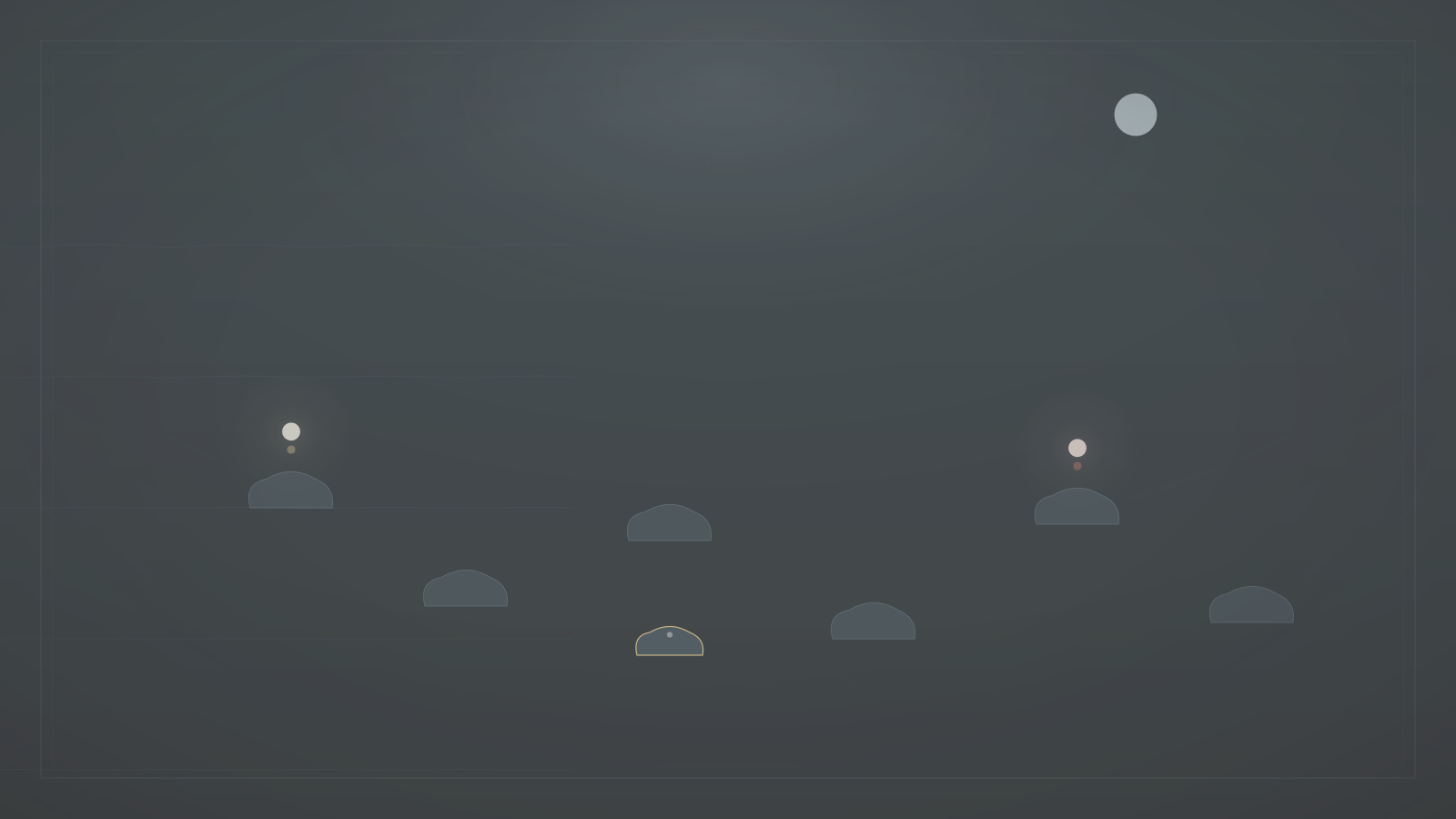
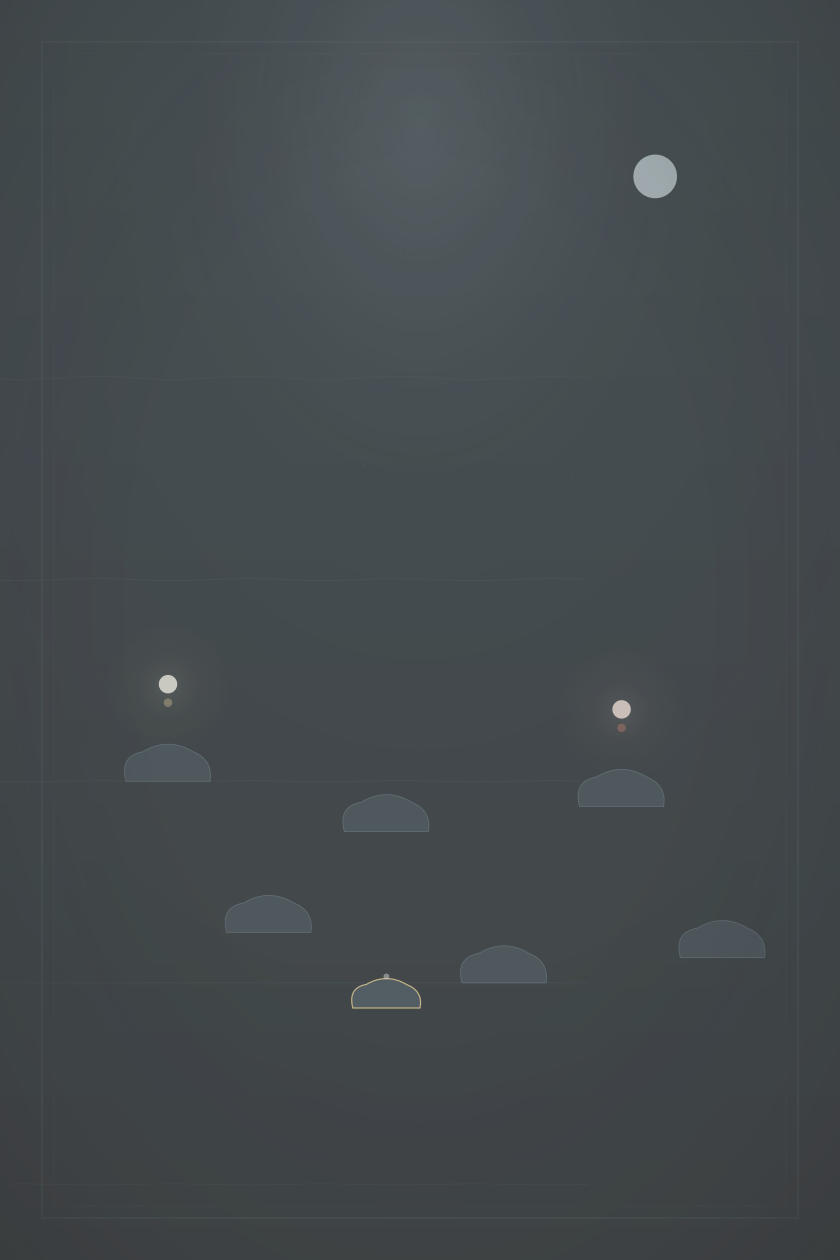
Key art
Key art — Board.game art system
More like this
 Board.game Original
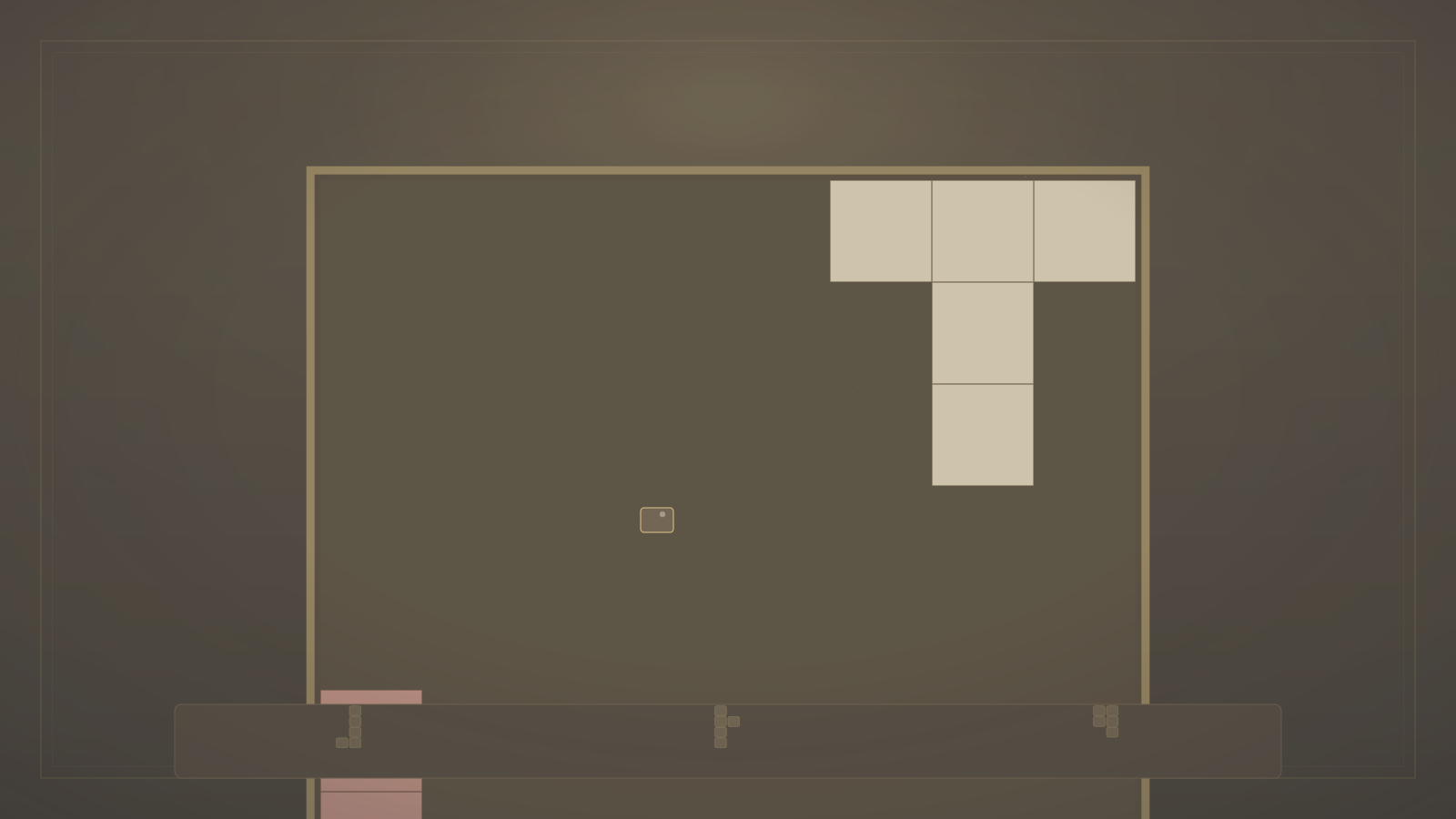
Original · a pentomino duel for two
Marquetry
Twelve veneers, five cells each, sixty cells for sixty-four — and every piece lies as drawn, never turned.
2 players5–10 minCompetitive
Playable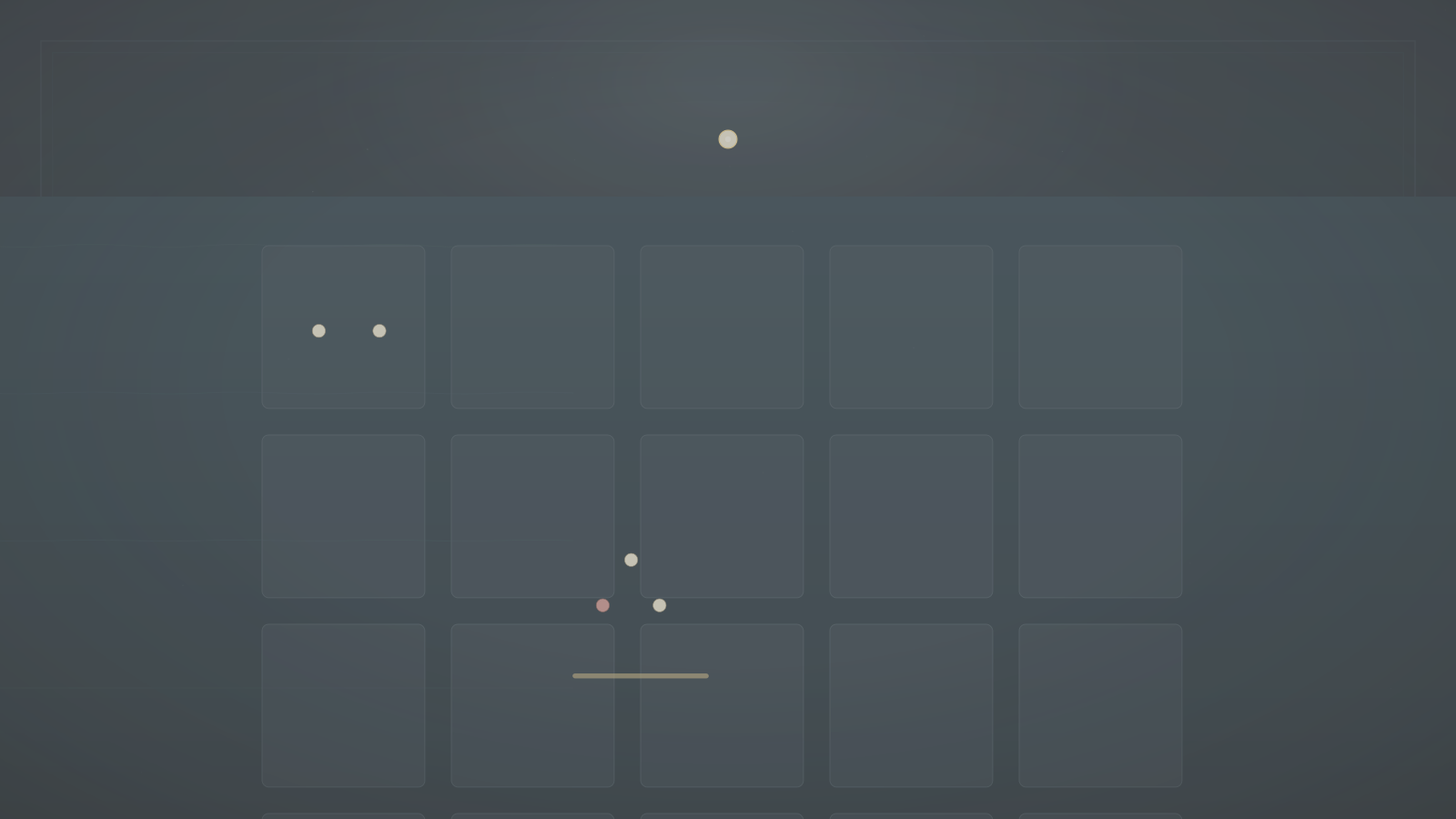 Board.game Original
Original · a cascade duel for two
Sluice
Every gate holds what its neighbourhood allows — and the spill claims whole gates.
2 players5–10 minCompetitive
Playable Board.game Original
Original · a commodity exchange for two
Bellwether
Every buy lifts the chalk for every lot on it — and two coins buys anybody a crash.
2 players5–10 minCompetitive
Playable Board.game Original
Original · a walling duel for two
Drystone
The fourth wall claims the paddock — and pays you one more lay, which you must spend.
2 players5–10 minCompetitive
Playable Board.game Original
Original · a loading duel for two
Quay
One line of crates, both ends open to both ships — and a cargo pays its worth times the margin.
2 players5–10 minCompetitive
Playable Board.game Original
Original · a balance duel for two
Steelyard
Your pan is your ledger — every weight you cannot put on the rival’s, you carry.
2 players5–10 minCompetitive
Playable Board.game Original
Original · a cutting duel for two, misère
Peat
Cut any number from one bank — and whoever cuts the LAST sod of the bog loses.
2 players5–10 minCompetitive
Playable Board.game Original
Original · a push-your-luck dice duel for two
Knuckle
Five faces pay and one burns the whole pot — first tally to forty takes the fire.
2 players5–10 minCompetitive
Playable