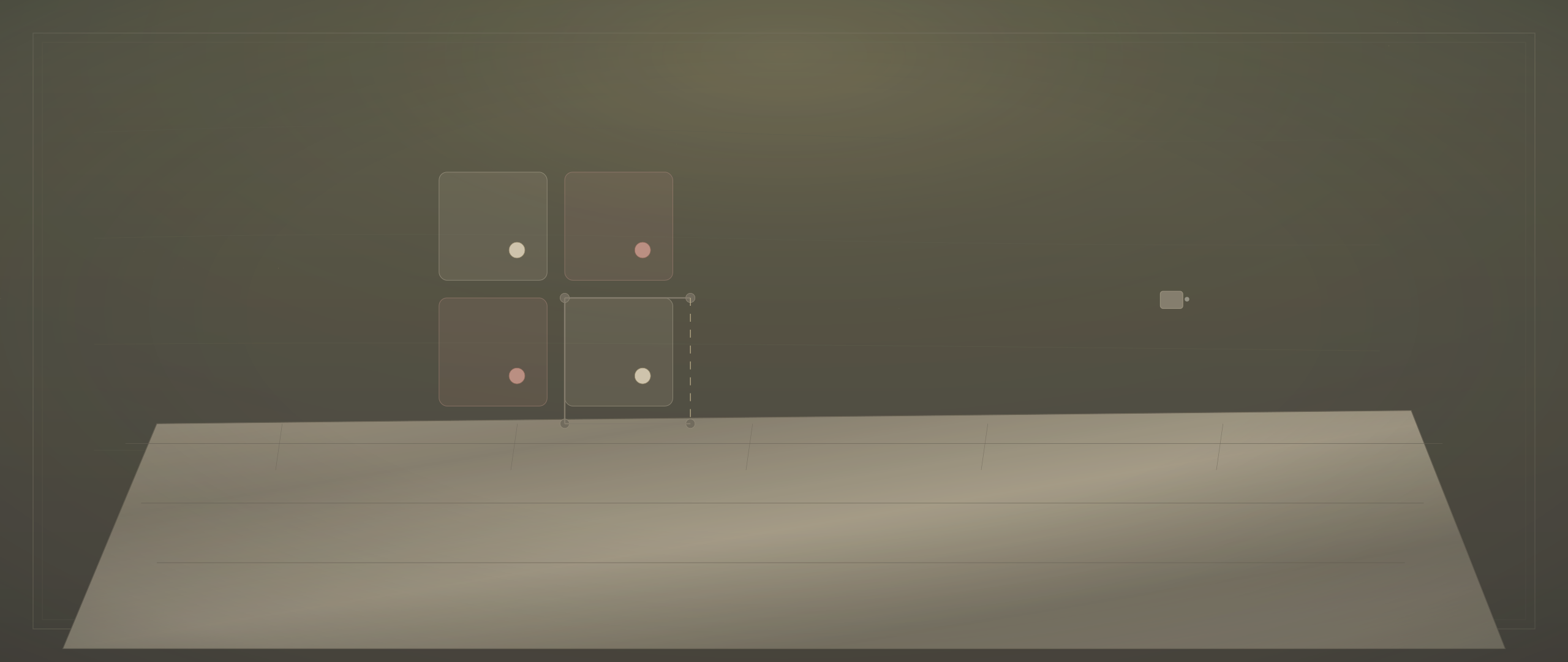
Drystone
Original · a walling duel for two
The fourth wall claims the paddock — and pays you one more lay, which you must spend.
Ready to play now.
A demonstration of Drystone, played by the computer against itself.
Drystone — playing itself
Ways to play
Alone, against the computer
Your own pace, no arranging anything. Take a move back whenever you like.
Play alone5 opponents, weakest first
- The WandererAny open wall, by the seed. It stands 200–0 under the Taker over two hundred hillsides and racks 2.8 stones of the twenty-five against the Dryster — random walling on a shared lattice is a donation, four stones at a time.
- The TakerCloses whatever stands closable, dearest first, and never once asks what the lay it was paid for will have to do. It racks 7.4 stones a hillside against the Dryster and wins 19 of 200. Greed used to measure level with discipline on this hillside; the extra lay is exactly what stopped it.
- The DrysterTwo lays of search over the hillside’s own reading: what a lay takes, what gift it leaves standing, and who is left holding the iron with no safe ground. 185–15 over the Taker, 12.3 stones a hillside, and 2.6 of its lays paid for by a closing.
- The GifterThree lays deep, and the last TEN walls of every hillside solved exactly. 145–55 over the Dryster, 14.3 stones a hillside, and the only rung that sweeps all four corners more than once in two hundred hillsides — 2 of 200.
- The WallerFour lays deep, and the last SIXTEEN solved — the whole ending, from before the safe ground runs out. 181–19 over the Gifter, 199–1 over the Wanderer, 15.2 stones a hillside and 187 of 200 won against the Dryster.
Together, in the same room
2 players. One device goes round the table, or everybody plays off the same screen.
Play in the same roomOnline, at a table
A room code, joinable from anywhere. Pause tonight and pick it up next week from your device.
Play online
About
A hillside of nine paddocks on a three-by-three grid: the corners worth 4 stones, the edges 2, the cramped middle 1 — twenty-five in all, a number that never splits even. Twenty-four walls stand open between the pegs, every one of them shared ground. Lay one wall; whoever lays the FOURTH wall of a paddock claims it, whatever else the wall touches, and is paid ONE more lay — which must be used, and which pays nothing itself however much it closes. One extra lay, never two. When the last wall stands every paddock has closed, and twenty-five stones leave no tie to break.
How it feels
- A paddock standing on three walls, nobody wanting it
- A corner taken, and nothing safe left to spend the extra lay on
- The last safe wall on the hillside
What the design is for
One extra lay, never two
The classic fencing game pays the closer another go, and a chain of them decides the whole board. Here a closing pays exactly one lay, that lay pays nothing of its own, and so no chain can ever decide a hillside. It also means a gift can cost the taker more than it pays: take the corner, and you must lay again at once on a hillside with nothing safe left on it.
The corners pay
Four stones for a corner, two for an edge, one for the cramped middle. The dear ground draws the walls, and twenty-five stones never split even — there is no tie to break, and the rules say so out loud.
One wall, two paddocks
Every inner wall belongs to two paddocks. Lay the fourth wall of one and the third of the other, or the fourth of both at once — the double claim is the loudest single lay on the hillside, and it still pays only one extra lay.
Solved, and measured at one stone
Twenty-four walls is small enough to count exactly, so it is counted: `drystone-solve.mjs` walks all 2^24 wall masks and prints the opening margin. It is −1 — perfect play splits the hillside 13 to 12, the tightest twenty-five can go. That number is the whole reason for the extra lay: without it the same search printed −13, a forced win for whoever laid the last wall, and a duel decided before a stone was set.
Taught wall by wall
Seven steps: the lay, the closing claim, what the ground is worth, the lay a closing pays for, the safe wall, the double — and then the whole hillside to yourself.
- Best at
- 2
- Kind
- Strategy
- Table
- Competitive
- Studio
- Board.game Originals
The opponents
The Wanderer
Any open wall, by the seed. It stands 200–0 under the Taker over two hundred hillsides and racks 2.8 stones of the twenty-five against the Dryster — random walling on a shared lattice is a donation, four stones at a time.
The Taker
Closes whatever stands closable, dearest first, and never once asks what the lay it was paid for will have to do. It racks 7.4 stones a hillside against the Dryster and wins 19 of 200. Greed used to measure level with discipline on this hillside; the extra lay is exactly what stopped it.
The Dryster
Two lays of search over the hillside’s own reading: what a lay takes, what gift it leaves standing, and who is left holding the iron with no safe ground. 185–15 over the Taker, 12.3 stones a hillside, and 2.6 of its lays paid for by a closing.
The Gifter
Three lays deep, and the last TEN walls of every hillside solved exactly. 145–55 over the Dryster, 14.3 stones a hillside, and the only rung that sweeps all four corners more than once in two hundred hillsides — 2 of 200.
The Waller
Four lays deep, and the last SIXTEEN solved — the whole ending, from before the safe ground runs out. 181–19 over the Gifter, 199–1 over the Wanderer, 15.2 stones a hillside and 187 of 200 won against the Dryster.
Achievements
0 of 5 earned
The Richer Side
Win a hillside of Drystone.
Every Dear Field
Win with all four corners closed to you.
One Wall, Two Fields
Close two paddocks with a single wall.
To the Last Stone
Win by two stones or fewer.
A Hillside Swept
Win while the rival racks under ten stones.
Key art
Key art — Board.game art system
More like this
 Board.game Original
Original · an enclosure duel for two
Quickset
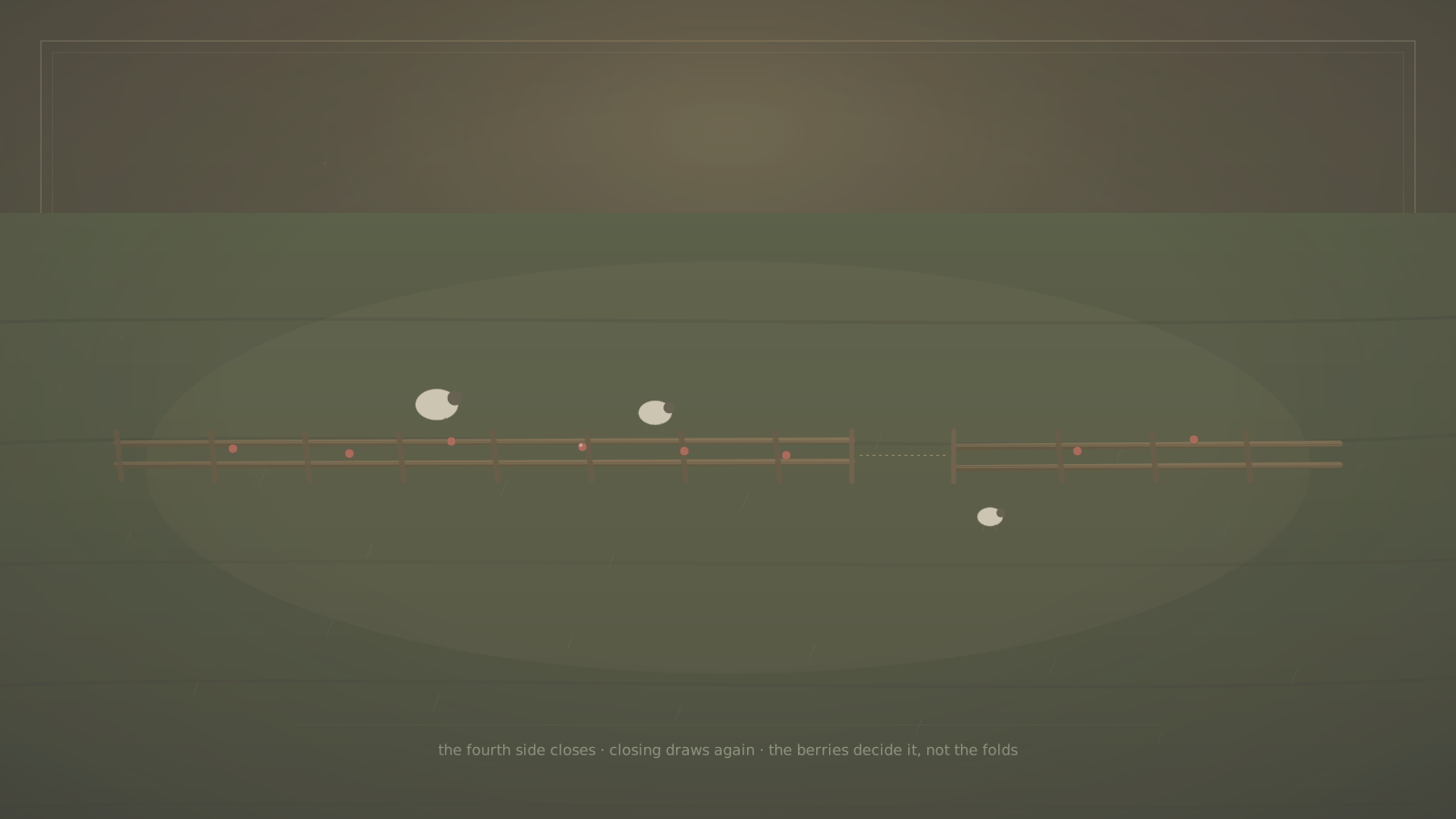
A meadow of sixteen folds — the fourth hedge closes one, and closing never passes the hand.
2 players5–12 minCompetitive
Playable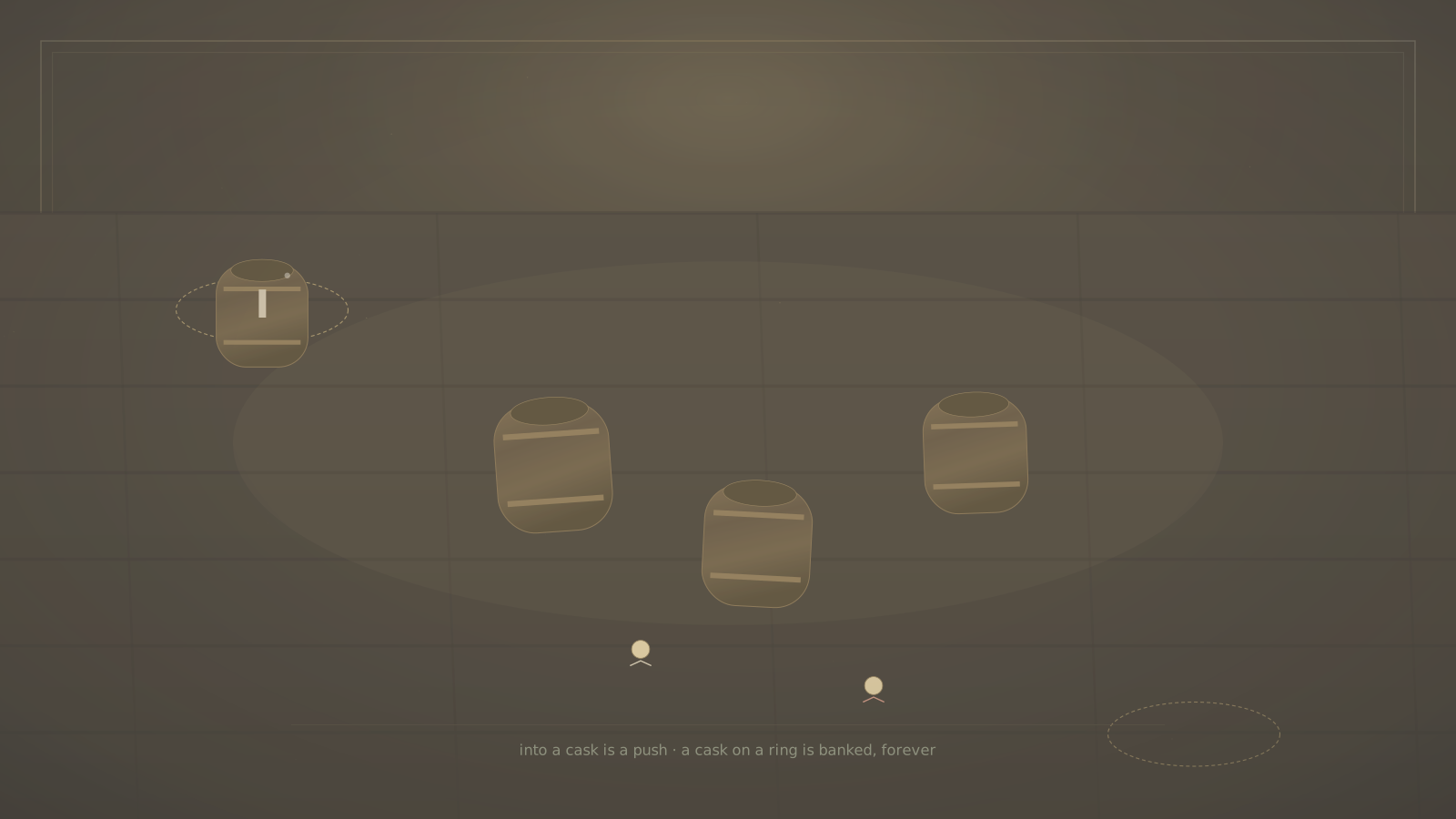 Board.game Original
Original · a pushing duel for two
Cask
Four casks, four chalk rings, and a push needs the square behind you.
2 players1–9 minCompetitive
Playable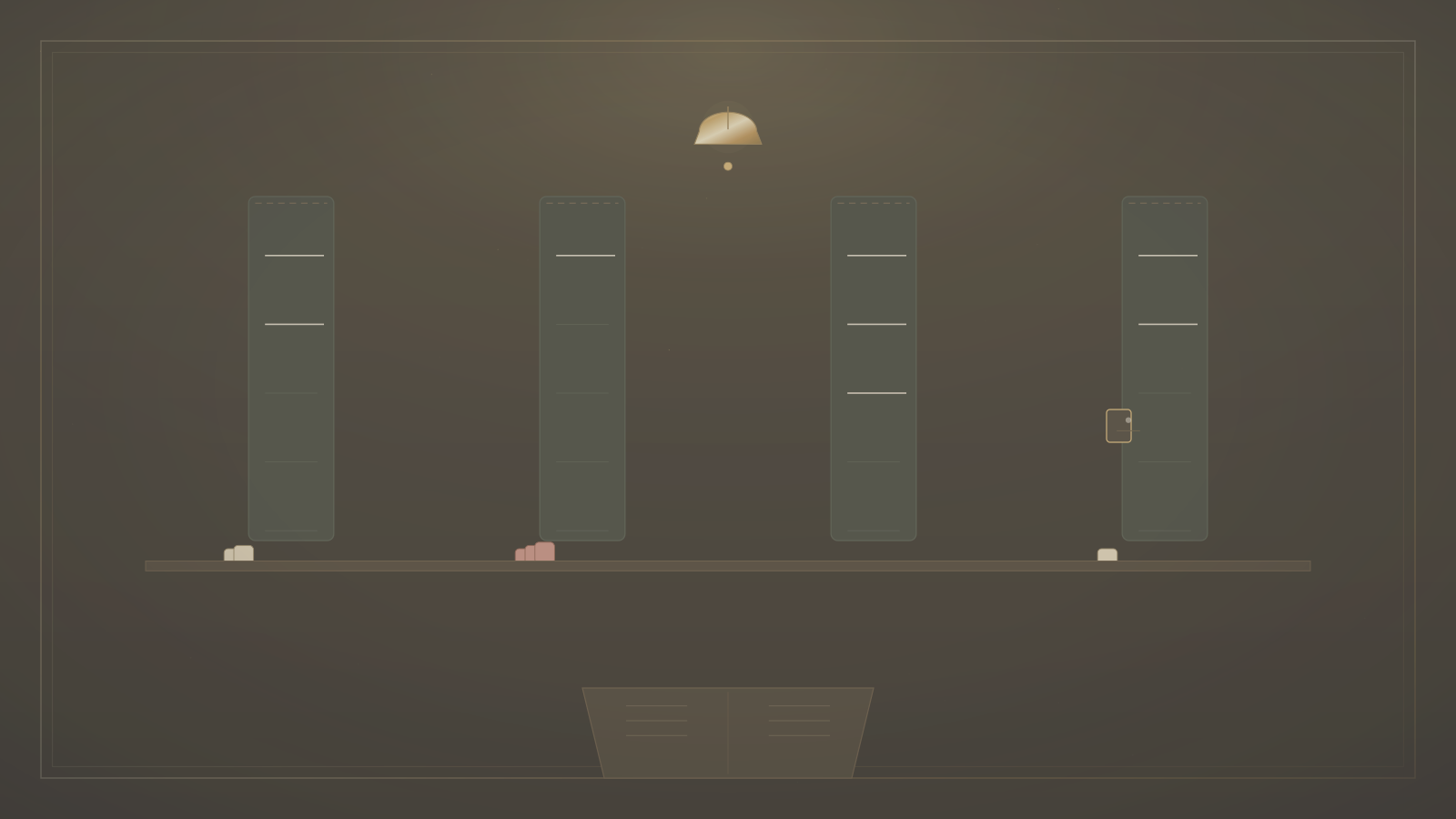 Board.game Original
Original · a commodity exchange for two
Bellwether
Every buy lifts the chalk for every lot on it — and two coins buys anybody a crash.
2 players5–10 minCompetitive
Playable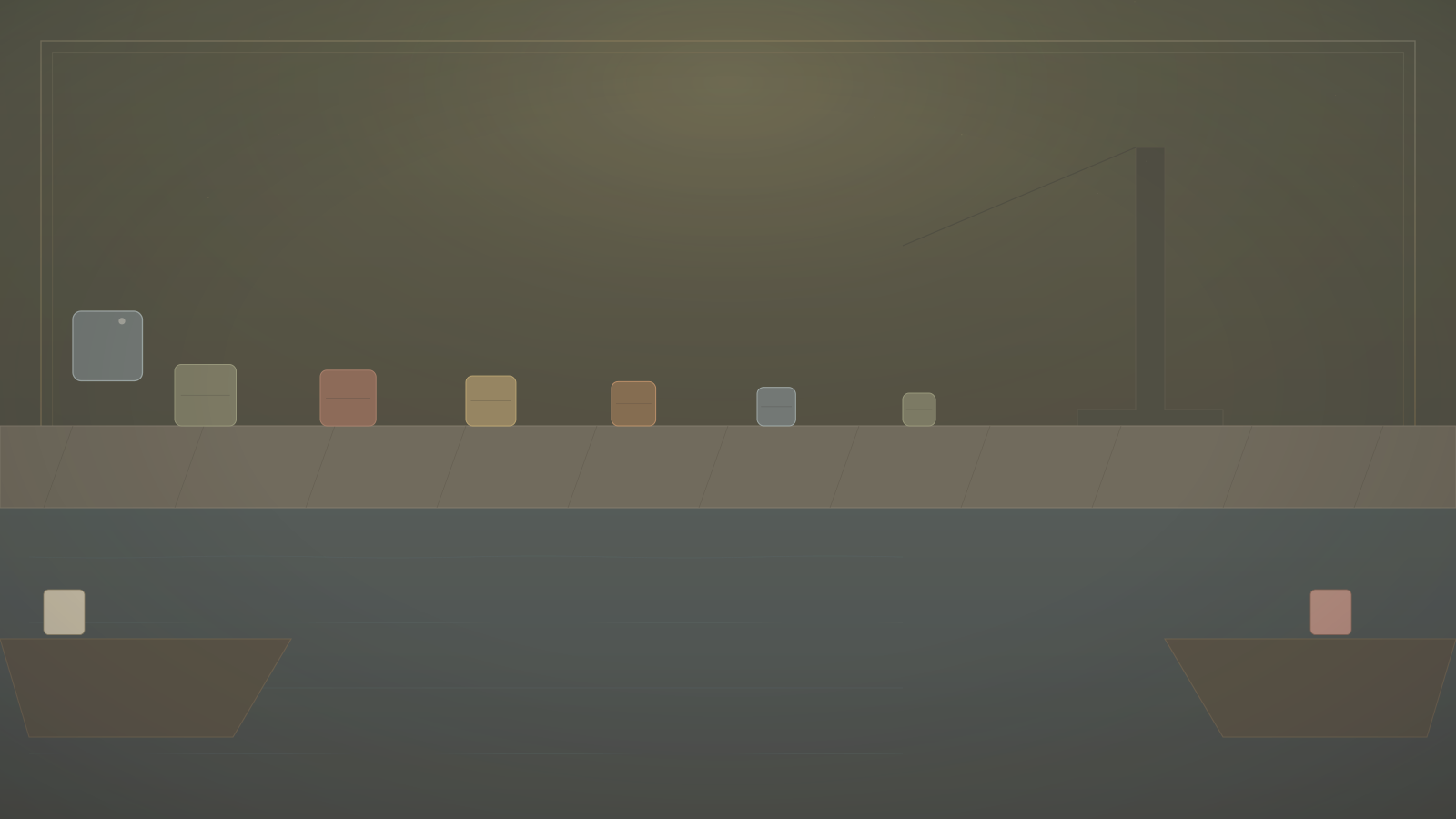 Board.game Original
Original · a loading duel for two
Quay
One line of crates, both ends open to both ships — and a cargo pays its worth times the margin.
2 players5–10 minCompetitive
Playable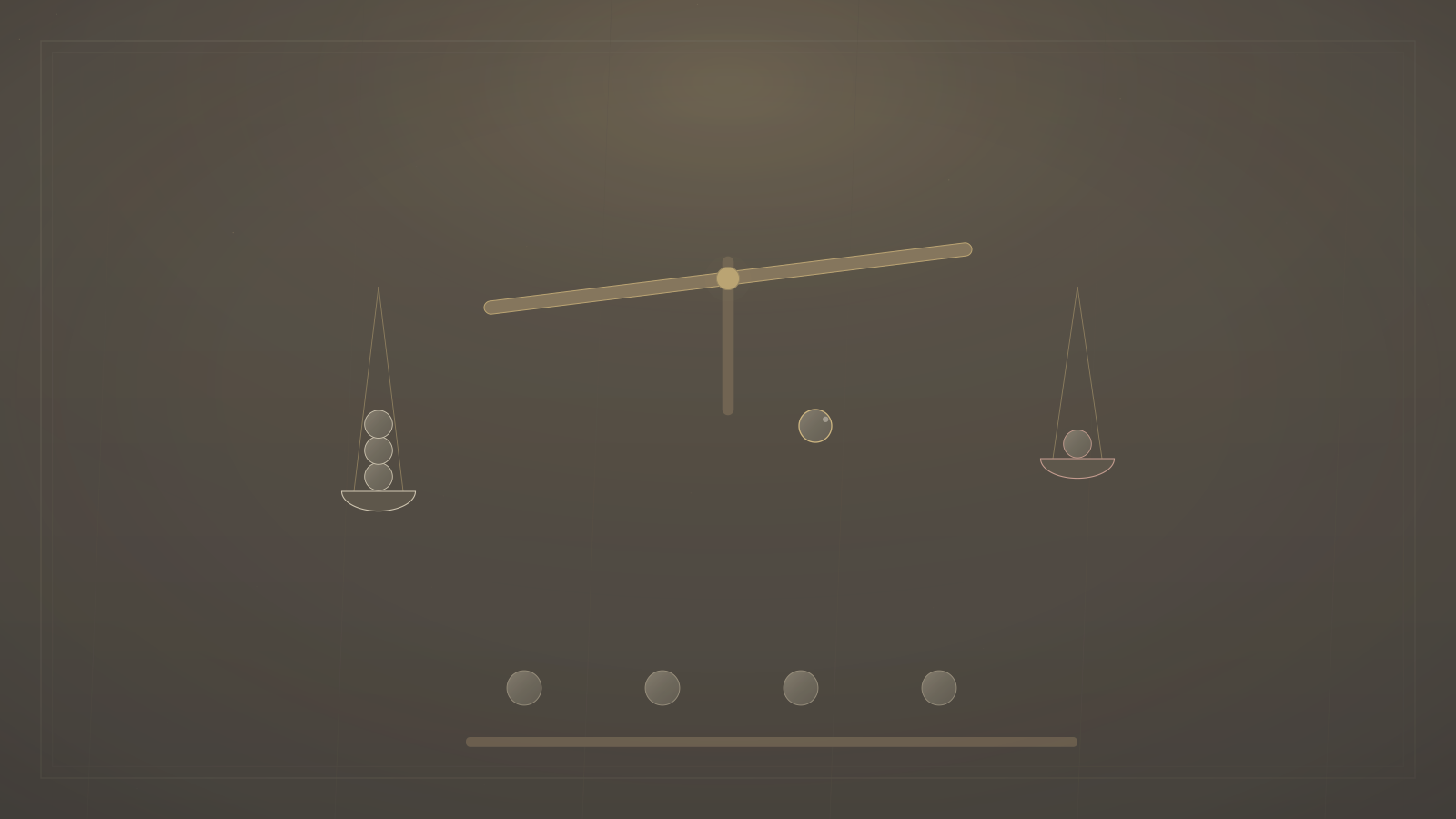 Board.game Original
Original · a balance duel for two
Steelyard
Your pan is your ledger — every weight you cannot put on the rival’s, you carry.
2 players5–10 minCompetitive
Playable Board.game Original
Original · a placement duel for two, played for the last light
Beacons
No beacon may stand beside a rival’s — and the keeper who cannot light, loses.
2 players5–10 minCompetitive
Playable Board.game Original
Original · a cutting duel for two, misère
Peat
Cut any number from one bank — and whoever cuts the LAST sod of the bog loses.
2 players5–10 minCompetitive
Playable Board.game Original
Original · a programming duel for two
Mainspring
Three gears wound in secret, a march played in the open — and the rival does not stop you, it MOVES you.
2 players5–10 minCompetitive
Playable