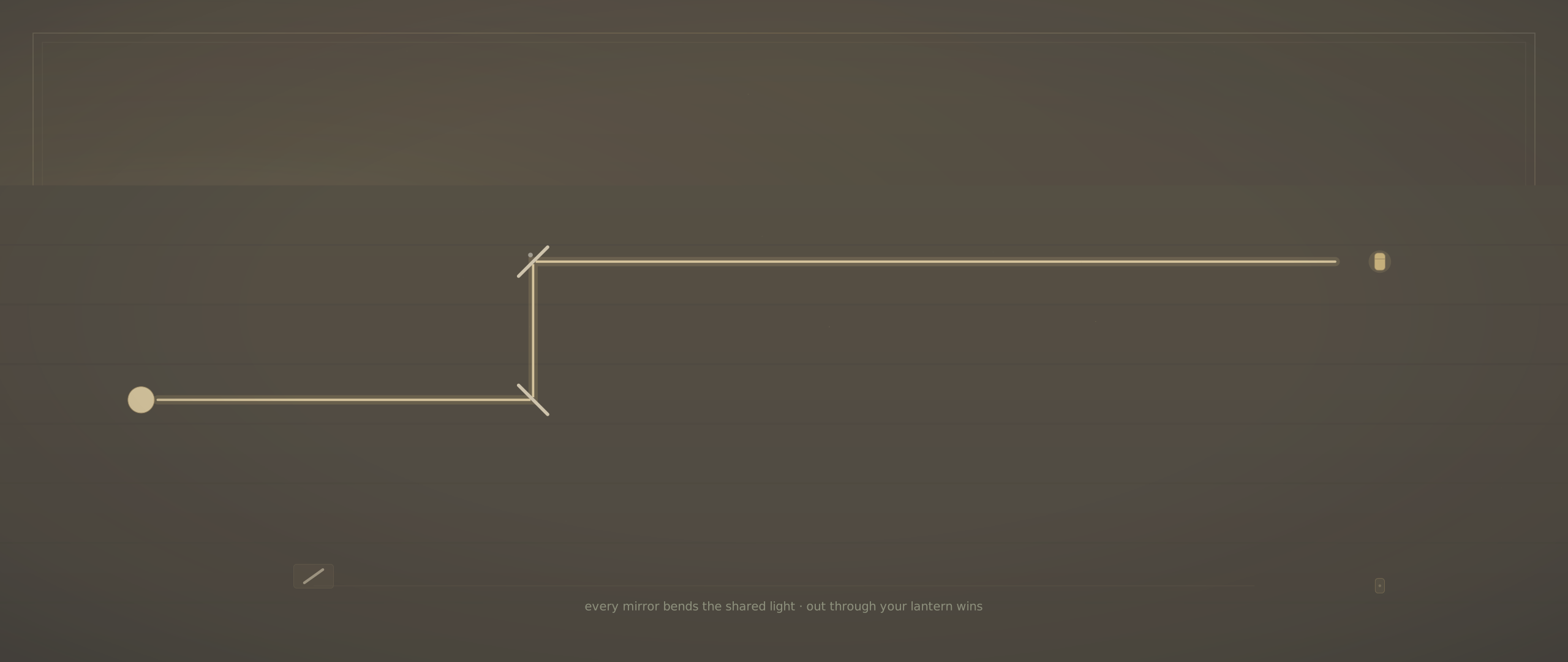
Lens
Original · a beam-routing duel for two
One lamp, one bench of mirrors, and a beam that serves whoever bent it last.
Ready to play now.
A demonstration of Lens, played by the computer against itself.
Lens — playing itself
Ways to play
Alone, against the computer
Your own pace, no arranging anything. Take a move back whenever you like.
Play alone4 opponents, weakest first
- The GreenhornAny legal move, by the seed — and it stumbles into light anyway: 4.2 mirrors a bench, 149 of 150 lanterns lit outright, and 1 win in 150. Random glass lights whoever is watching; the Apprentice takes it 145–5.
- The ApprenticePlaces only — the placement that leaves the light nearest its own lantern — and never turns, never slides. 145–5 over the Greenhorn, then 7–143 under the Journeyman: a bench of placements with no answers.
- The JourneymanEvery move priced one ply deep — the light pulled toward its lantern and pushed from the rival’s, turn and slide included. 143–7 over the Apprentice, and the anchor of the ladder: 70 of 150 against itself, 123 lanterns lit outright.
- The OpticianThe same price two plies deep, over the eight best roads each ply — the rival’s answer taken off every move. 138–11 over the Journeyman, 150–0 over the Greenhorn, and the patient shape: 56 plies a bench and 135 of 150 taken. It is the top of this ladder because nothing measured above it.
Together, in the same room
2 players. One device goes round the table, or everybody plays off the same screen.
Play in the same roomOnline, at a table
A room code, joinable from anywhere. Pause tonight and pick it up next week from your device.
Play online
About
A beam-routing duel for two — the shelf’s only one. A 7×7 bench of optics; a lamp enters from the west, row four, heading east. Ivory’s lantern stands high on the east wall, Coral’s low — route the beam out through YOURS and the bench is lit in your name. On your turn: place one of six mirrors on any empty cell (tilted / or \), turn one of your mirrors to its other tilt, or slide one square. Every mirror bends the light, whoever owns it — out any other edge the light is lost, and no arrangement of mirrors can hold it on the bench. At eighty plies the oil burns out and the beam’s last cell is read by nearness, equal distances shared, said plainly.
How it feels
- The beam turning exactly where you said it would
- A bench that lights the rival’s lantern, whoever moved last
- The last mirror in hand, and one bend to find
What the design is for
The shelf’s first beam
The light is traced after every move, mirror by mirror, ninety degrees at a time — and it is drawn where it truly runs. What you see glowing is the rules.
The light is shared
Every mirror bends the beam, whoever set it. A bench that lights the rival’s lantern lights it whoever moved last — and your own glass can be turned against you.
Two bends to a lantern
The lanterns sit off the beam’s own row on purpose: no lantern is one mirror away, every win is built — climb, then turn — and every build can be broken on the reply.
Turn, or slide
Your glass is never spent: flip a mirror to its other tilt, or walk it a square. A bench that closes one road opens another somewhere else.
The light always leaves
There is no hall of mirrors, and the rules now say so with a proof rather than a fate: one heading in, one heading out, every bend its own inverse — so a loop would have to contain the lamp’s own entry, and the lamp comes in from off the bench. The old trace carried a “trapped” fate that could not happen and a step bound too small to be sure.
Taught bend by bend
Five steps: the mirror, the bend, the lantern, the turn — and then a whole bench of light to yourself.
- Best at
- 2
- Kind
- Strategy
- Table
- Competitive
- Studio
- Board.game Originals
The opponents
The Greenhorn
Any legal move, by the seed — and it stumbles into light anyway: 4.2 mirrors a bench, 149 of 150 lanterns lit outright, and 1 win in 150. Random glass lights whoever is watching; the Apprentice takes it 145–5.
The Apprentice
Places only — the placement that leaves the light nearest its own lantern — and never turns, never slides. 145–5 over the Greenhorn, then 7–143 under the Journeyman: a bench of placements with no answers.
The Journeyman
Every move priced one ply deep — the light pulled toward its lantern and pushed from the rival’s, turn and slide included. 143–7 over the Apprentice, and the anchor of the ladder: 70 of 150 against itself, 123 lanterns lit outright.
The Optician
The same price two plies deep, over the eight best roads each ply — the rival’s answer taken off every move. 138–11 over the Journeyman, 150–0 over the Greenhorn, and the patient shape: 56 plies a bench and 135 of 150 taken. It is the top of this ladder because nothing measured above it.
Achievements
0 of 6 earned
The Bench Is Lit
Win a bench.
The Full Bench
Win with your supply of mirrors spent.
On Borrowed Glass
Win with more of the rival’s mirrors on the bench than yours.
Out of the Dark
Win after the beam stood nearer the rival’s lantern at the half.
Spare Glass
Win with three or fewer of your mirrors set.
The Last of the Oil
Win when the oil burns out and the nearness is read.
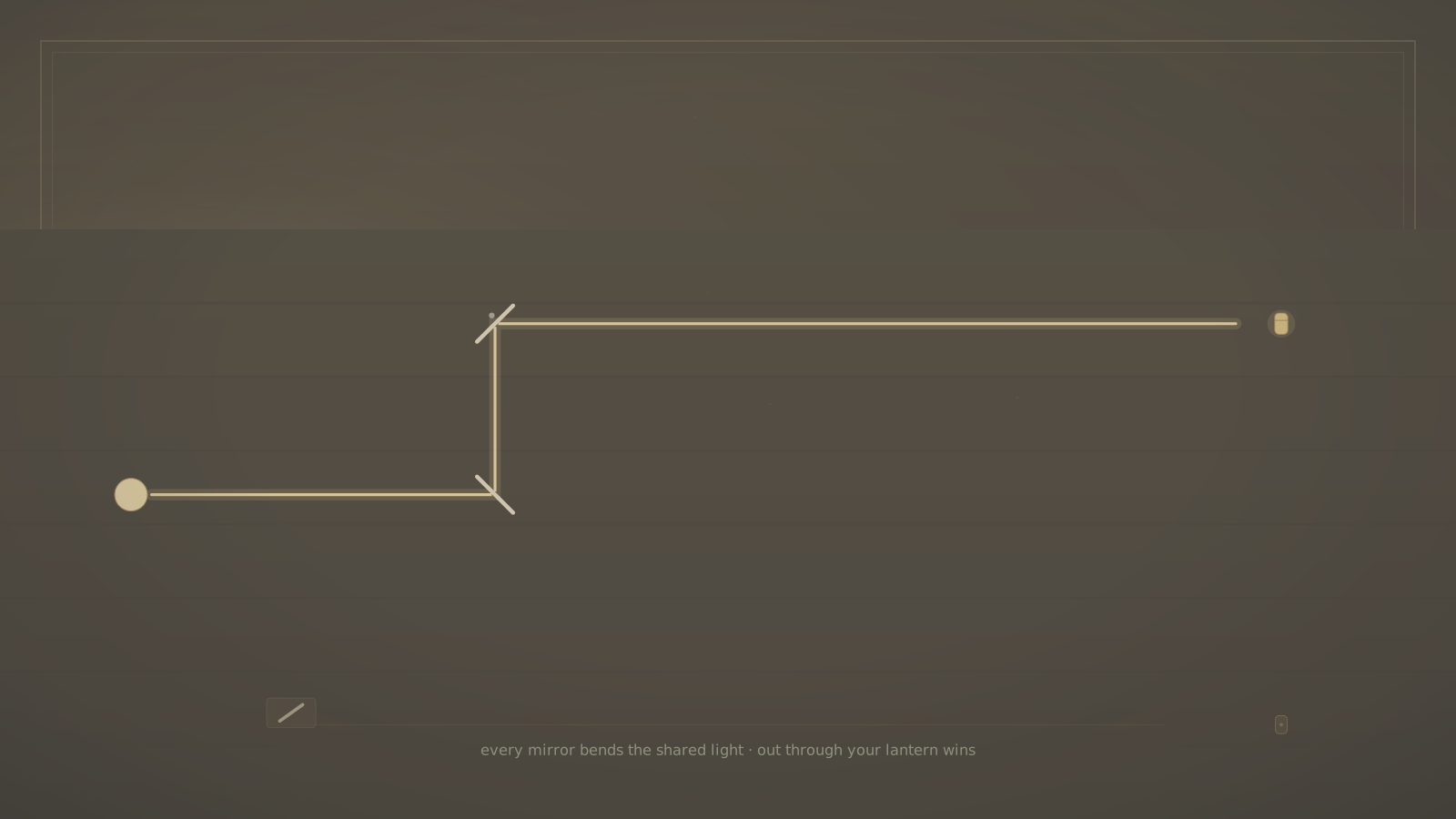
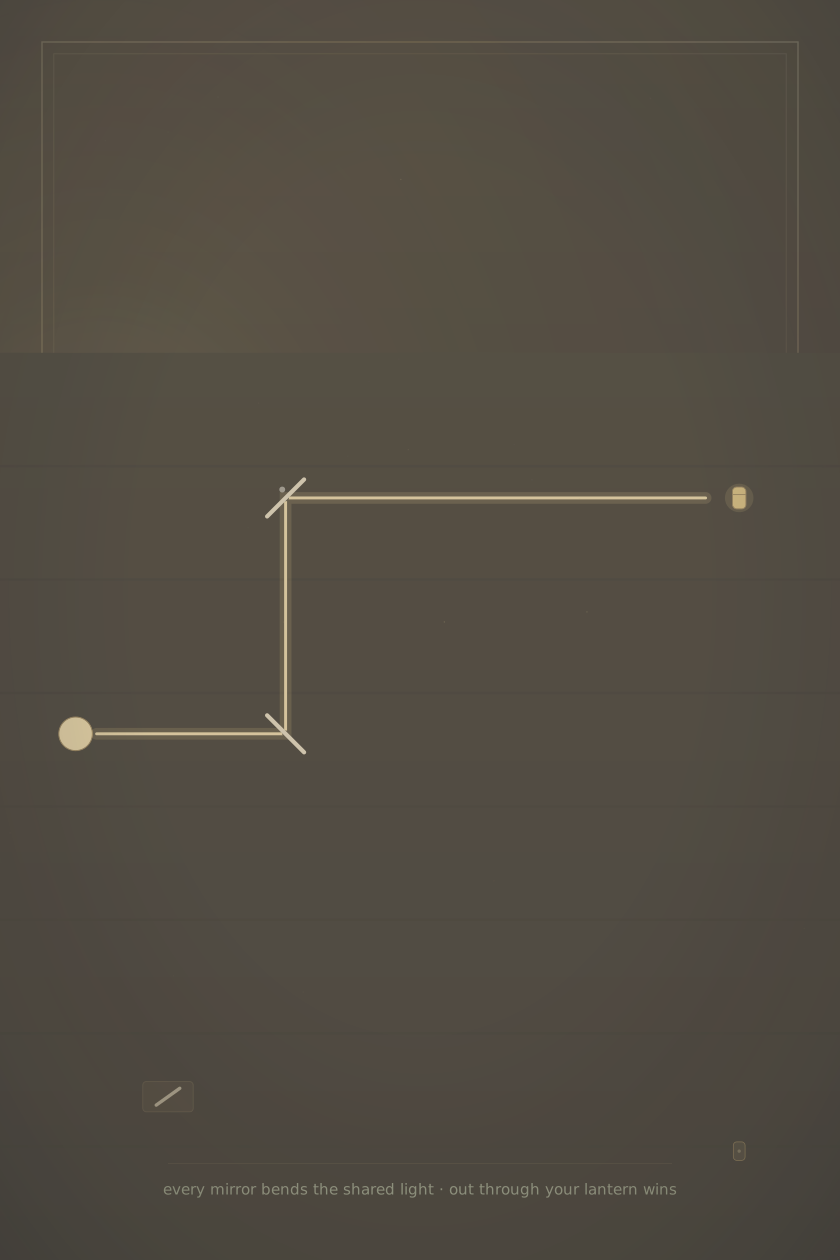
Key art
Key art — Board.game art system
More like this
 Board.game Original
Original · a shifting-floe duel for two
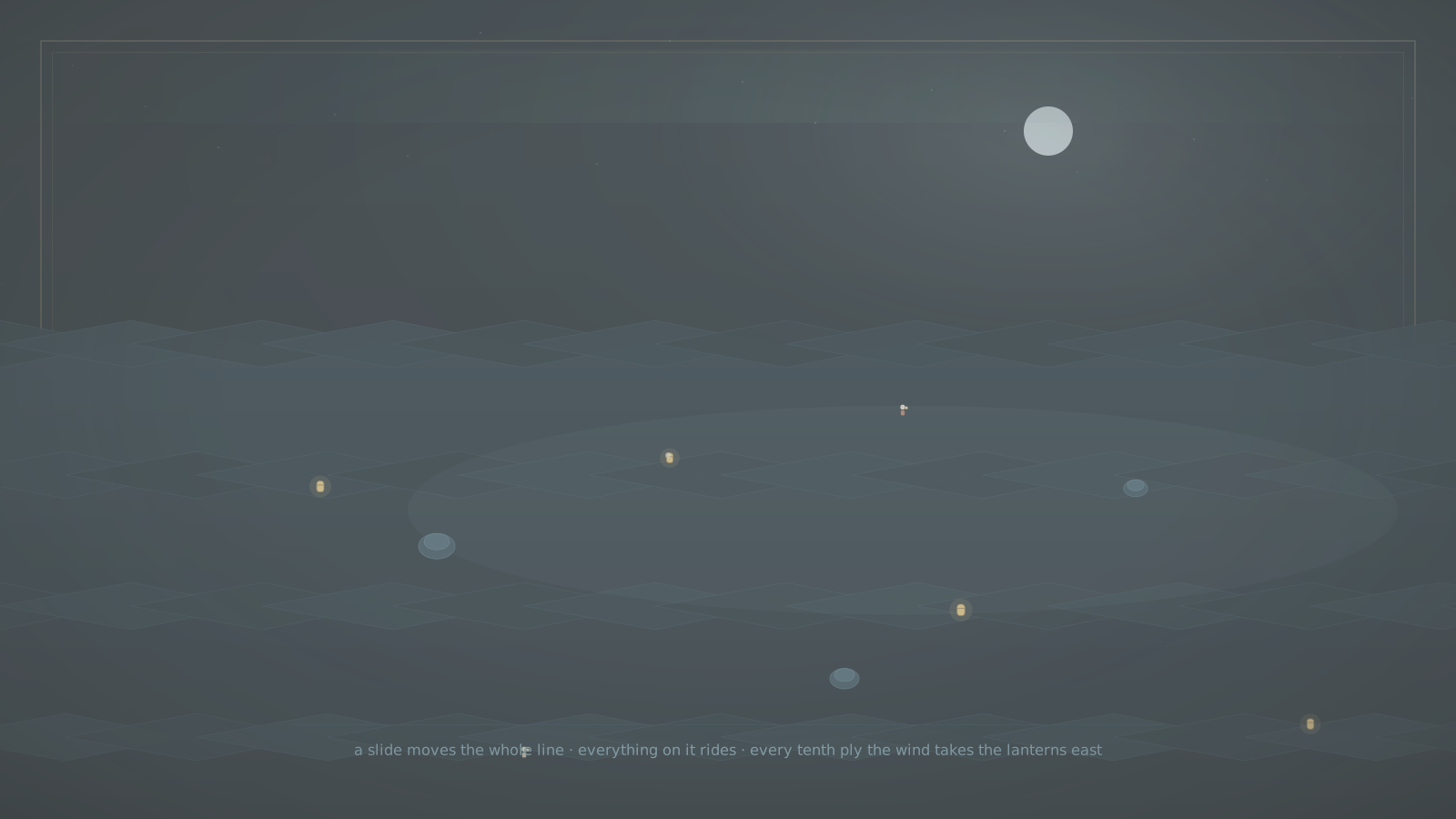
Drift
Two lamplighters on ice that will not hold still — slide a whole line, or step, and the wind takes the lanterns east.
2 players1–6 minCompetitive
Playable Board.game Original
Original · a walling duel for two
Drystone
The fourth wall claims the paddock — and pays you one more lay, which you must spend.
2 players5–10 minCompetitive
Playable Board.game Original
Original · an enclosure duel for two
Quickset
A meadow of sixteen folds — the fourth hedge closes one, and closing never passes the hand.
2 players5–12 minCompetitive
Playable Board.game Original
Original · a pushing duel for two
Cask
Four casks, four chalk rings, and a push needs the square behind you.
2 players1–9 minCompetitive
Playable Board.game Original
Original · an area-majority duel for two
Bailiwick
Seven wards, twelve cubes each, majorities score — and a ward that comes out level answers to whoever walked in first.
2 players10–15 minCompetitive
Playable Board.game Original
Original · a commodity exchange for two
Bellwether
Every buy lifts the chalk for every lot on it — and two coins buys anybody a crash.
2 players5–10 minCompetitive
Playable Board.game Original
Original · a loading duel for two
Quay
One line of crates, both ends open to both ships — and a cargo pays its worth times the margin.
2 players5–10 minCompetitive
Playable Board.game Original
Original · a balance duel for two
Steelyard
Your pan is your ledger — every weight you cannot put on the rival’s, you carry.
2 players5–10 minCompetitive
Playable