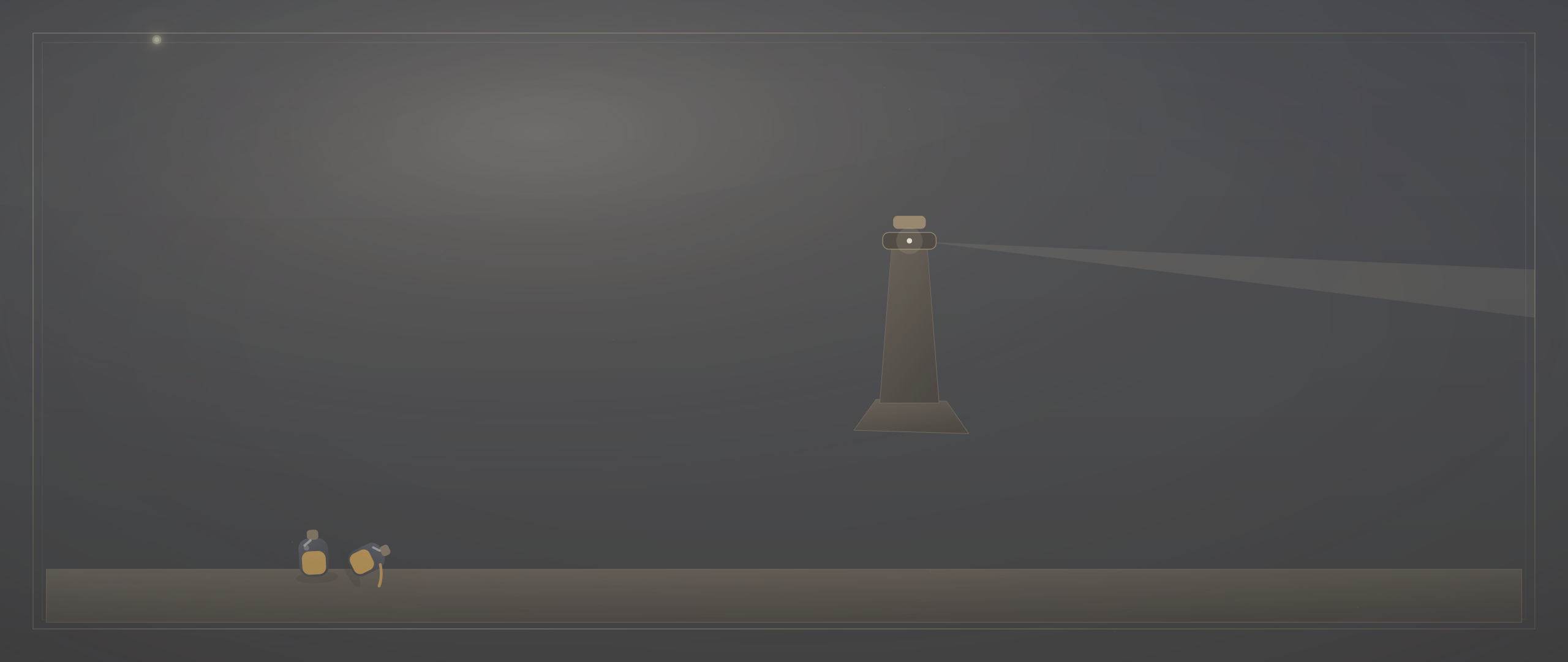
One Wick
Original · co-operative, one to four keepers
Seven nights, one lamp, and everybody can read the wind.
Ready to play now.
A demonstration of One Wick, played by the computer against itself.
One Wick — playing itself
Ways to play
Alone, against the computer
Your own pace, no arranging anything. Take a move back whenever you like.
Play alone3 opponents, weakest first
- JumpyPours everything it holds, every night. It used to be the best keeper on this rock — the boat came nightly, two flasks back for two poured, and panic held the light on every measured watch at three and four keepers. The boat comes once now, and Jumpy holds 0 of 200 watches at every width. Nerve is not a plan.
- CountingSplits tonight’s wind exactly — everybody takes the floor, the odd flasks come off the fullest shelves, and the shelves are public — and carries any keeper too poor to pay their part. Nothing predicted, nothing wasted: 41 of 200 alone, 24 at two keepers, 77 at three, 60 at four. Two simpler keepers were cut from between it and Jumpy: the rounded-up share, and a keeper who covers the whole wind by itself. Both held 0 of 200 at two keepers and up, level with panic, because this rock’s oil is tight enough that any waste at all loses it.
- The AlmanacCounting, and it reads the forecast: it works out which night the rock cannot pay for and gives that one away on purpose — the town forgives one — rather than half-paying for it and losing the oil as well; and it times its one boat for a night the others can carry, one keeper at a time. 59 of 200 alone, 52 at two, 88 at three, 64 at four. A reading of the ledger was tried on top of this and removed: as an average of flasks it made three keepers each cover a whole gale and took the three-keeper rock from 77% to 39%.
Together, in the same room
1–4 players. One device goes round the table, or everybody plays off the same screen.
Play in the same roomOnline, at a table
A room code, joinable from anywhere. Pause tonight and pick it up next week from your device.
Play online
About
The keepers of a lighthouse play seven nights against a forecast dealt face up: each night’s wind says how much oil the lamp must burn. Every keeper secretly pours what they will; the lamp is one lamp and the failure is everybody’s. Oil poured is spent, oil kept carries — and a keeper who empties their hands into the lamp entirely is left two flasks by the relief boat, which comes once a watch. Hold at least six of the seven nights.
How it feels
- A ledger you argue with
- Warm light, cold arithmetic
- Somebody has to be poor by morning
What the design is for
The forecast is the game’s clock
Seven winds, dealt once from the match’s own seed, drawn as seven flags from the first night. Everybody knows the gales are coming; the argument is only ever about who pays for them.
One lamp, one failure
The hold is table-wide and so is the miss: a night the lamp falls short is a night the light failed, and the town forgives one. Free-riding is a strategy right up until the boat doesn’t come home.
The relief boat comes once
Pour everything you hold and the boat leaves you two flasks by morning. Pour almost everything and it leaves you nothing — the difference between all-in and nearly is the whole economy. And it comes ONCE a watch, per keeper, which is the rule that makes the shelf an argument: your oil is what you were dealt plus two, on a night of your choosing. It used to come every night, and the probe was blunt about what that meant — two flasks back for two poured is free oil, so "pour everything, every night" held the rock on 100% of measured watches at every width and every cleverer keeper measured worse. One boat. Now that same keeper holds 0 of 200 at every width.
Pours in flight are secret; everything else is public
The board shows your own flasks queued at the lamp door and beads for who has poured — never how much anybody else is holding over the light. The keeper’s log beside it says every past pour, by name.
A rock you can hold alone
The shelf’s second game for one — a calmer forecast and a fuller shelf, measured by the balance probe rather than asserted. Eight flasks, seven winds of one, one, one, two, two, two and three, and one boat: the best companion holds the lone rock 59 watches in 200, the plain arithmetic 41, and panic none at all. The lone rock is the tightest of the four.
- Best at
- 3
- Kind
- Adventure
- Table
- Co-operative
- Studio
- Board.game Originals
The opponents
Jumpy
Pours everything it holds, every night. It used to be the best keeper on this rock — the boat came nightly, two flasks back for two poured, and panic held the light on every measured watch at three and four keepers. The boat comes once now, and Jumpy holds 0 of 200 watches at every width. Nerve is not a plan.
Counting
Splits tonight’s wind exactly — everybody takes the floor, the odd flasks come off the fullest shelves, and the shelves are public — and carries any keeper too poor to pay their part. Nothing predicted, nothing wasted: 41 of 200 alone, 24 at two keepers, 77 at three, 60 at four. Two simpler keepers were cut from between it and Jumpy: the rounded-up share, and a keeper who covers the whole wind by itself. Both held 0 of 200 at two keepers and up, level with panic, because this rock’s oil is tight enough that any waste at all loses it.
The Almanac
Counting, and it reads the forecast: it works out which night the rock cannot pay for and gives that one away on purpose — the town forgives one — rather than half-paying for it and losing the oil as well; and it times its one boat for a night the others can carry, one keeper at a time. 59 of 200 alone, 52 at two, 88 at three, 64 at four. A reading of the ledger was tried on top of this and removed: as an average of flasks it made three keepers each cover a whole gale and took the three-keeper rock from 77% to 39%.
Achievements
0 of 5 earned
The Boat Came Home
Hold the light on six of seven nights.
Not One Night Dark
Hold all seven nights.
A Shelf Still Full
Win with three flasks or more left over.
Nobody Else’s Watch
Hold the rock alone.
Forgiven
Win having failed exactly one night.
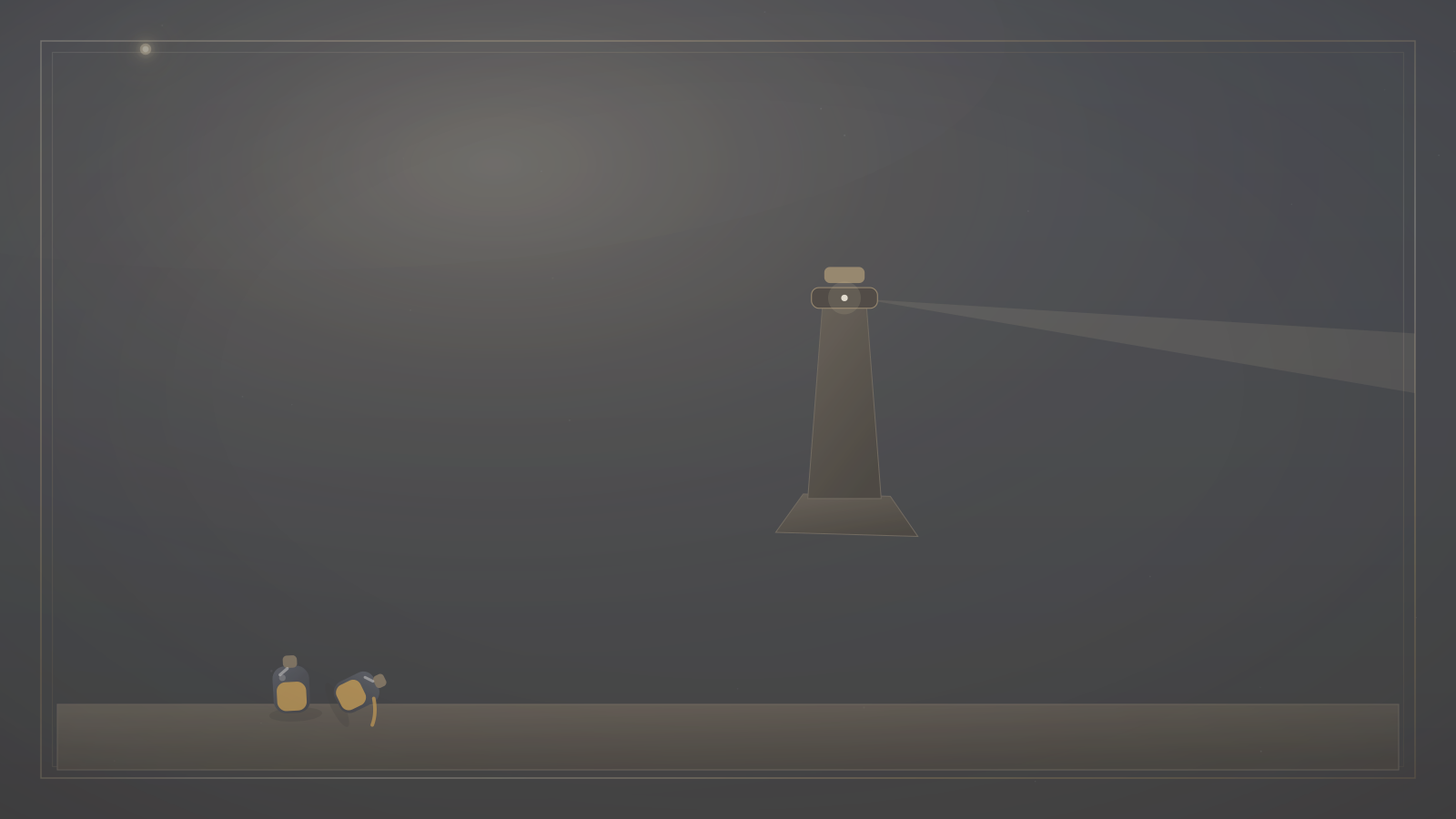
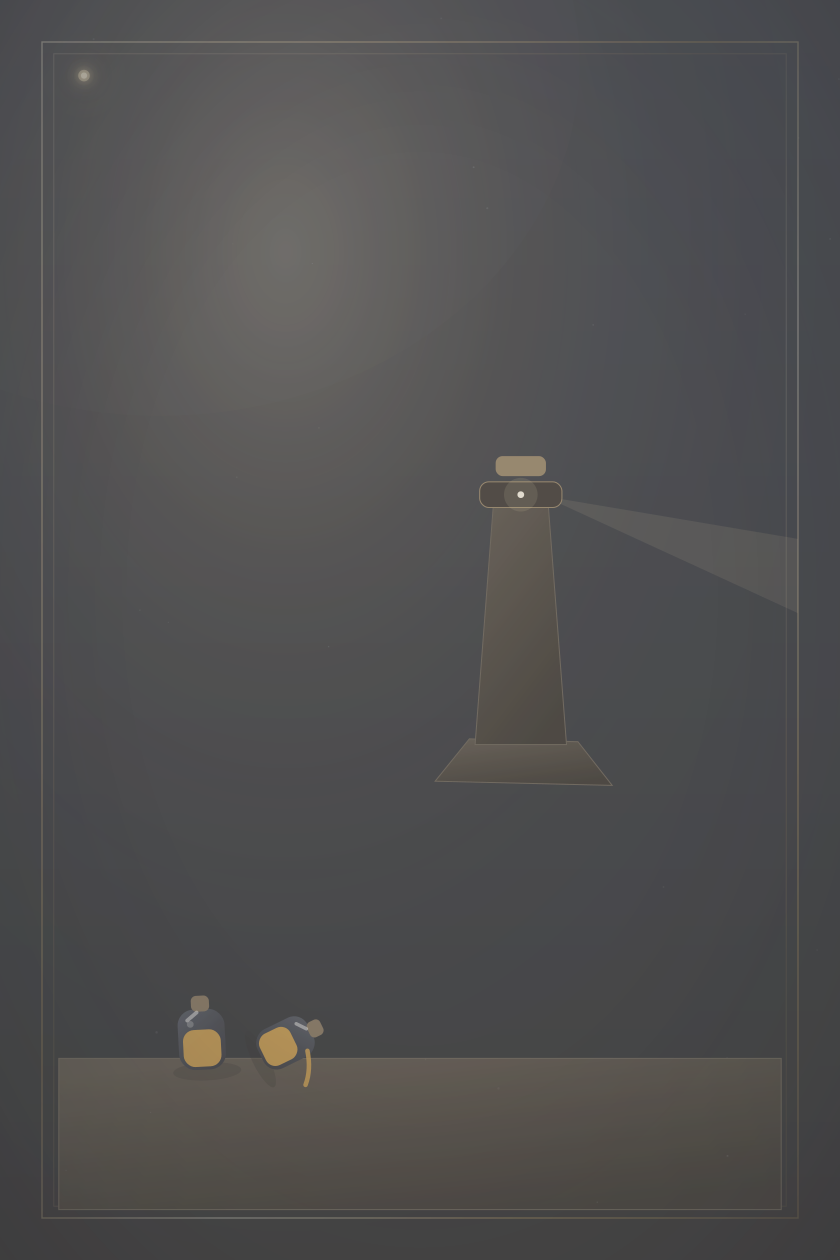
Key art
Key art — Board.game art system
More like this
 Board.game Original
Co-operative descent
Hollowreach
Everything worth having is further down than you want to go.
1–4 players20–30 minCo-operative
Playable
Horror, in one sitting
Knock Twice
Everything this game does happens on the other side of a door.
3–6 players45–60 minCo-operative
Playable Board.game Original
Original · a shared-air gamble for three to six
Sump
The air belongs to everybody. The gold belongs to whoever turns back.
3–6 players10–15 minCompetitive
Playable Board.game Original
Co-operative gothic mystery
The Quiet Hour
The house has been waiting for someone to ask the right question.
1–5 players45–75 minCo-operative
Playable Board.game Original
Original · push your luck for two
Kindling
Eight frosts in the deck, and every one of them is yours if you push.
2 players5–15 minCompetitive
Playable Board.game Original
Original · a pay-to-pass auction for two
Levy
Every pass costs a coin, every take costs a demand, and runs of demands count once.
2 players10–15 minCompetitive
Playable Board.game Original
Original · a push-your-luck card duel for two
Bogey
The par is the pin — a stroke for every point you finish short of it, and a stroke for every point past.
2 players5–10 minCompetitive
Playable Board.game Original
Original · a sealed-bid duel for two
Vellum
Both houses act at once, in the dark — and the letters are identical, down to the last 8.
2 players5–10 minCompetitive
Playable