Steelyard
Original · a balance duel for two
Your pan is your ledger — every weight you cannot put on the rival’s, you carry.
Ready to play now.
A demonstration of Steelyard, played by the computer against itself.
Steelyard — playing itself
Ways to play
Alone, against the computer
Your own pace, no arranging anything. Take a move back whenever you like.
Play alone3 opponents, weakest first
- The PorterAny legal set, by the seed. It forces 122 of its own hands to pass over four hundred yards — random iron under a law of six traps its own hands more often than any rival could — and carries 19.4 iron a yard, the heaviest pan on the ladder.
- The MasterTwo hands of the yard looked ahead: its set, the rival’s best answer, and the beam as it would then stand. Sixty per cent of the decided yards over the Porter, 211–142 with 47 shared, 3.7 sigma. It carries 18.4 iron and puts 234 passes on the record, because the Master would rather trap a hand than fill a pan.
- The SteelyardThe whole yard solved — every line to the settling, pass for pass, margin for margin. Ninety-seven per cent of the decided yards over the Master, 379–10 with 11 shared, 18.7 sigma; 377–2 over the Porter. It settles the beam at the full legal six in 93 yards of 400 and wins 385 of them. The beam does not bluff.
Together, in the same room
2 players. One device goes round the table, or everybody plays off the same screen.
Play in the same roomOnline, at a table
A room code, joinable from anywhere. Pause tonight and pick it up next week from your device.
Play online
About
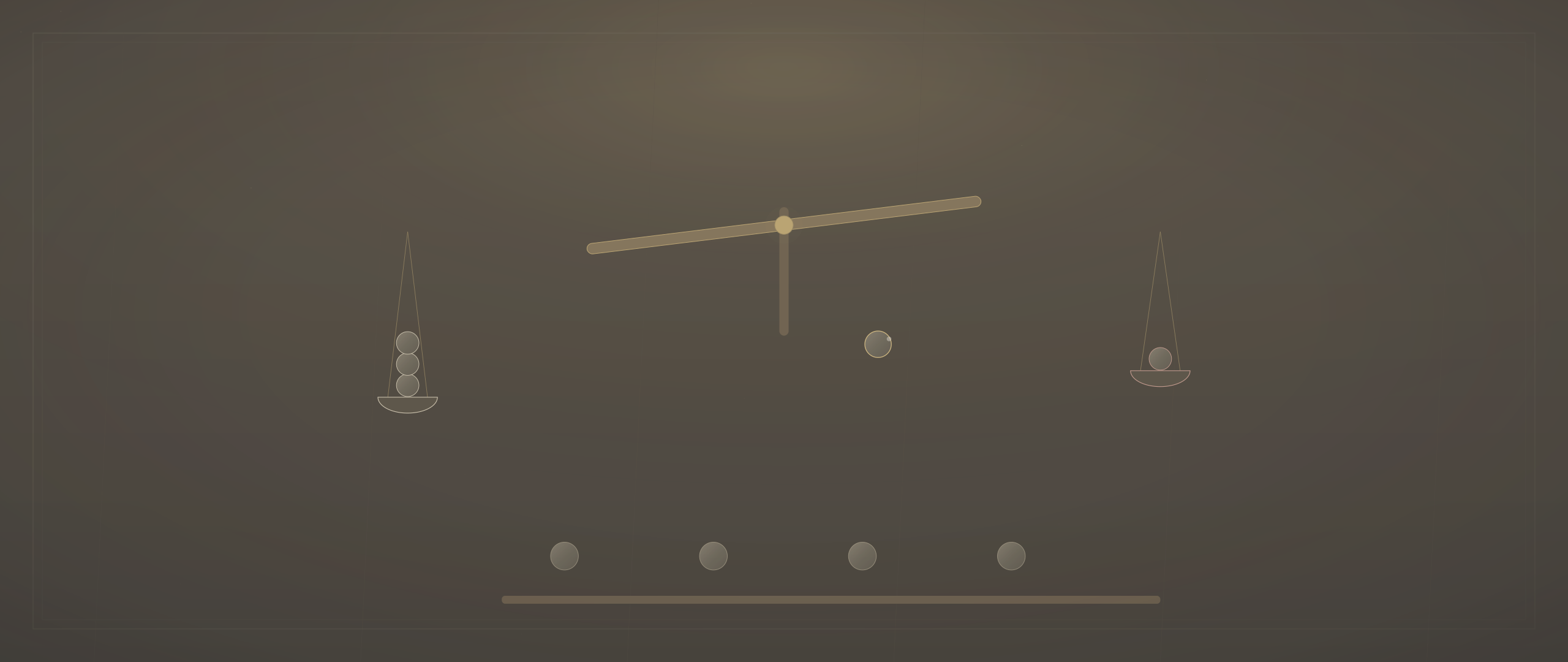
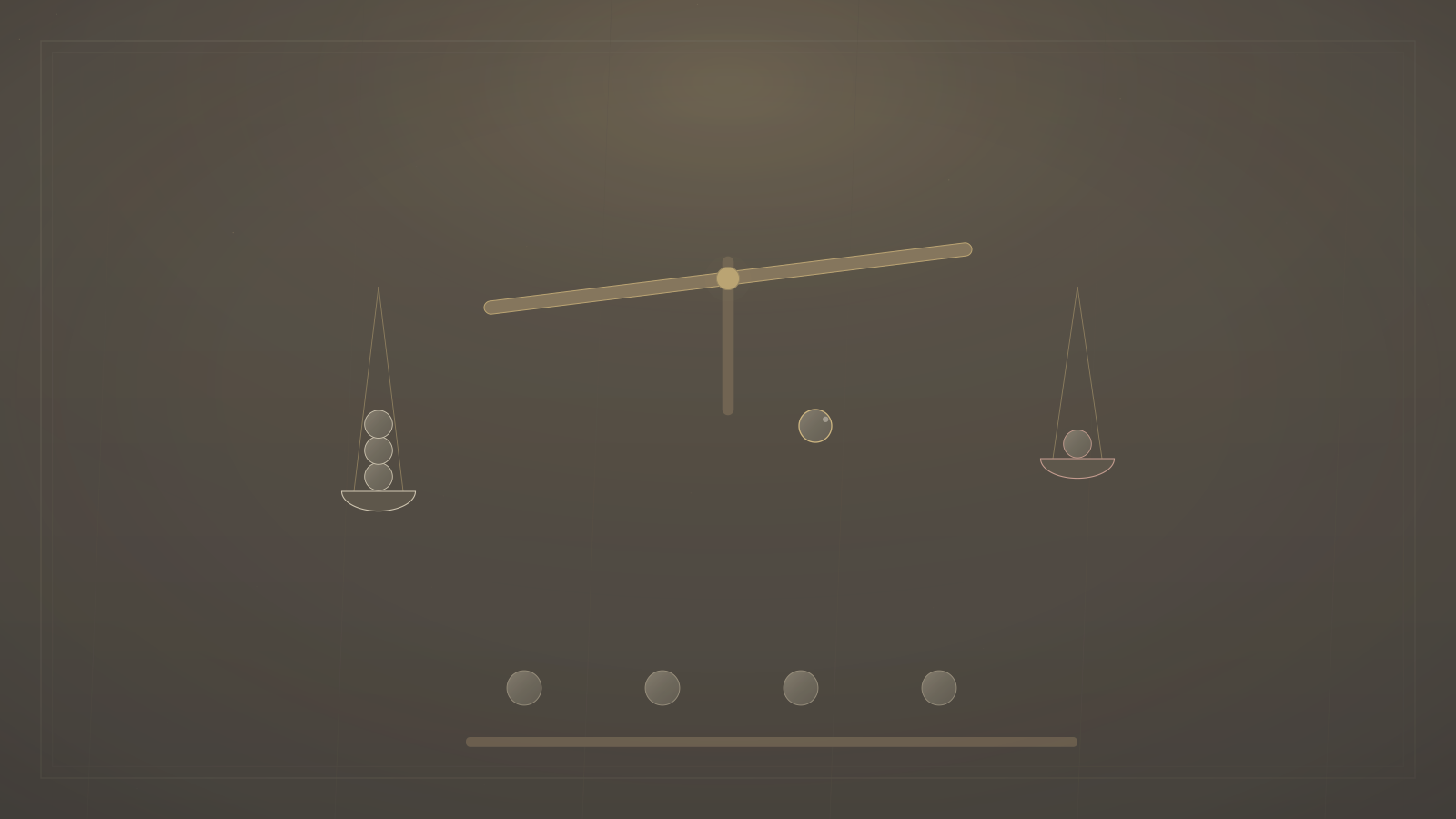
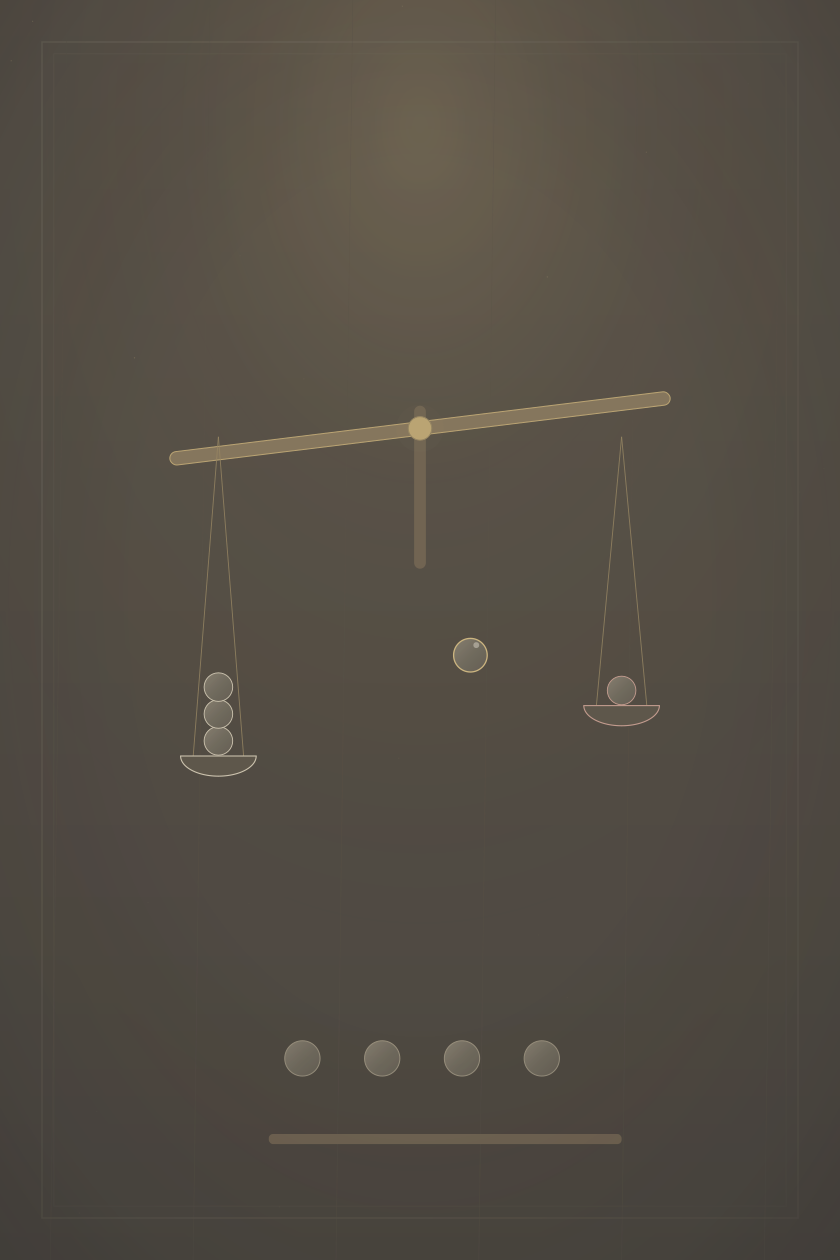
A balance duel for two. Eight weights — drawn by lot from the nine iron ones, 1 through 9 — hang on the rack. Ivory owns the left pan, Coral the right, and on your turn you set ANY remaining weight on EITHER pan, yours or your rival’s, under one law: the beam may not swing past six. A placement that would is refused outright. With nothing legal, the hand passes, and two passes in a row — or an empty rack — close the yard. The beam then settles: the owner of the LIGHTER pan takes the yard by the difference, and a level beam splits nothing, said plainly.
How it feels
- The 9 kept for the exact swing it cannot make
- A rival trapped by the law into loading their own pan
- The beam settling at the full six
What the design is for
You may load the rival’s pan
The lighter pan takes the yard, so their iron is their debt and yours is yours — but the hand that sets the weight is yours. Every turn is the same question: which pan suffers, and by how much.
The law of six
The beam may not swing past six — a placement that would is refused outright, not merely punished. Sink the rival far enough and the law itself turns on you: your next legal set fills your own pan. The limit is the whole strategy.
The pass, and the trap
With nothing legal, the hand passes; two passes in a row close the yard where it stands. Leaving a rival one weight short of anywhere legal is a win scored in iron — the trap is the game’s endgame.
Nothing hidden, everything weighed
The rack, both pans, the swing — all public from the first set. No dice, no shuffle after the deal, only the one draw of seven weights from nine. Pure arithmetic under a physical law, and a level beam splits nothing, said plainly.
Taught weight by weight
Six steps: the set, the rival’s pan, the law of six, the weight you carry, the pass that closes — and then the whole yard to yourself. Five of the six name one weight and one pan and accept nothing else; the first used to accept any of the fourteen sets its rack allowed, the law step’s nudge named a limit that was true of neither pan, and the pass step posed two pans carrying a 12 and an 11 — iron this yard does not own.
- Best at
- 2
- Kind
- Strategy
- Table
- Competitive
- Studio
- Board.game Originals
The opponents
The Porter
Any legal set, by the seed. It forces 122 of its own hands to pass over four hundred yards — random iron under a law of six traps its own hands more often than any rival could — and carries 19.4 iron a yard, the heaviest pan on the ladder.
The Master
Two hands of the yard looked ahead: its set, the rival’s best answer, and the beam as it would then stand. Sixty per cent of the decided yards over the Porter, 211–142 with 47 shared, 3.7 sigma. It carries 18.4 iron and puts 234 passes on the record, because the Master would rather trap a hand than fill a pan.
The Steelyard
The whole yard solved — every line to the settling, pass for pass, margin for margin. Ninety-seven per cent of the decided yards over the Master, 379–10 with 11 shared, 18.7 sigma; 377–2 over the Porter. It settles the beam at the full legal six in 93 yards of 400 and wins 385 of them. The beam does not bluff.
Achievements
0 of 5 earned
The Lighter Pan
Win a yard of Steelyard.
A Hair of Iron
Win by two or less.
A Clean Pan
Win carrying two weights or fewer against five or more.
At the Full Six
Win with the beam settled at the whole legal swing.
The Trap Closed
Win after the rival’s hand passed.
Key art
Key art — Board.game art system
More like this
 Board.game Original
Original · a commodity exchange for two
Bellwether
Every buy lifts the chalk for every lot on it — and two coins buys anybody a crash.
2 players5–10 minCompetitive
Playable Board.game Original
Original · a walling duel for two
Drystone
The fourth wall claims the paddock — and pays you one more lay, which you must spend.
2 players5–10 minCompetitive
Playable Board.game Original
Original · a loading duel for two
Quay
One line of crates, both ends open to both ships — and a cargo pays its worth times the margin.
2 players5–10 minCompetitive
Playable Board.game Original
Original · a placement duel for two, played for the last light
Beacons
No beacon may stand beside a rival’s — and the keeper who cannot light, loses.
2 players5–10 minCompetitive
Playable Board.game Original
Original · a cutting duel for two, misère
Peat
Cut any number from one bank — and whoever cuts the LAST sod of the bog loses.
2 players5–10 minCompetitive
Playable Board.game Original
Original · a pentomino duel for two
Marquetry
Twelve veneers, five cells each, sixty cells for sixty-four — and every piece lies as drawn, never turned.
2 players5–10 minCompetitive
Playable Board.game Original
Original · a push-your-luck dice duel for two
Knuckle
Five faces pay and one burns the whole pot — first tally to forty takes the fire.
2 players5–10 minCompetitive
Playable Board.game Original
Original · a tug-of-war for two
Hawser
Lead a card, and the rival answers at sight — the difference moves the knot, and no single pull can reach the mark.
2 players5–10 minCompetitive
Playable