The Quiet Hour
Co-operative gothic mystery
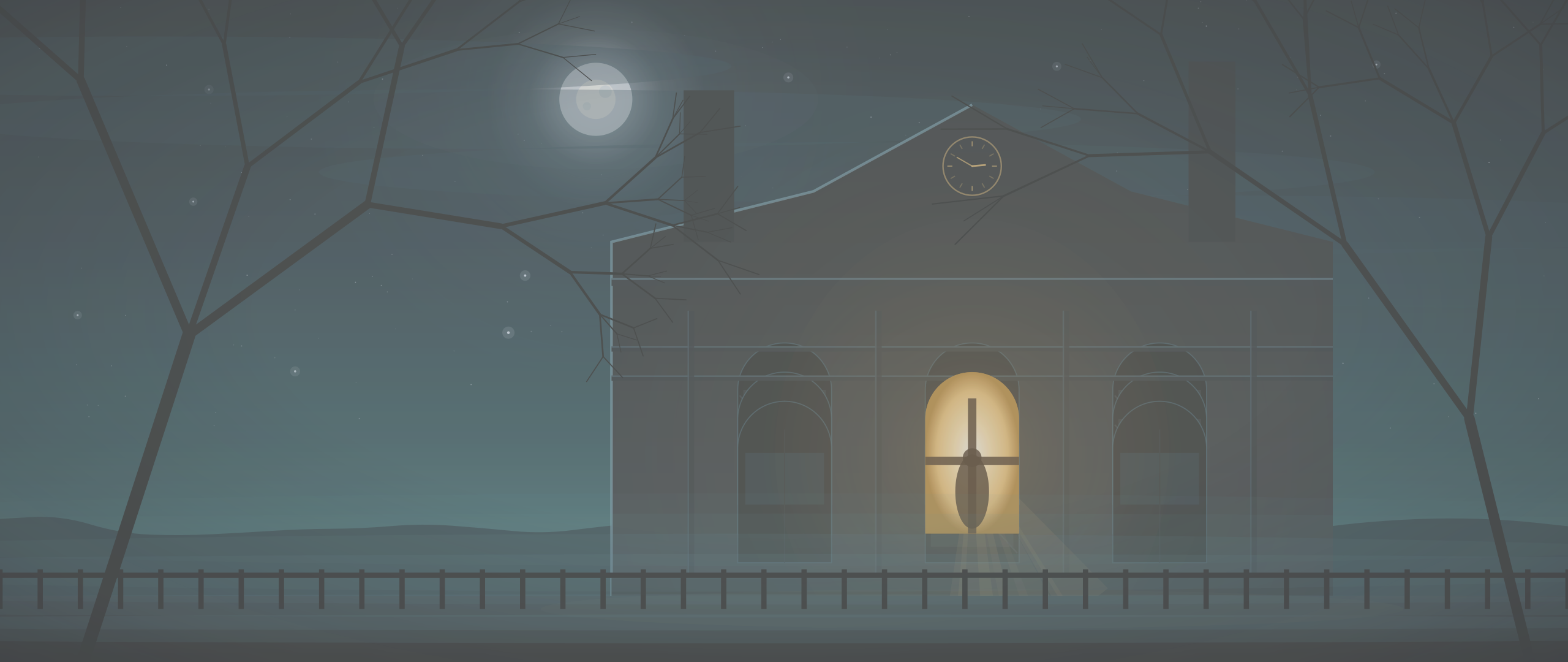
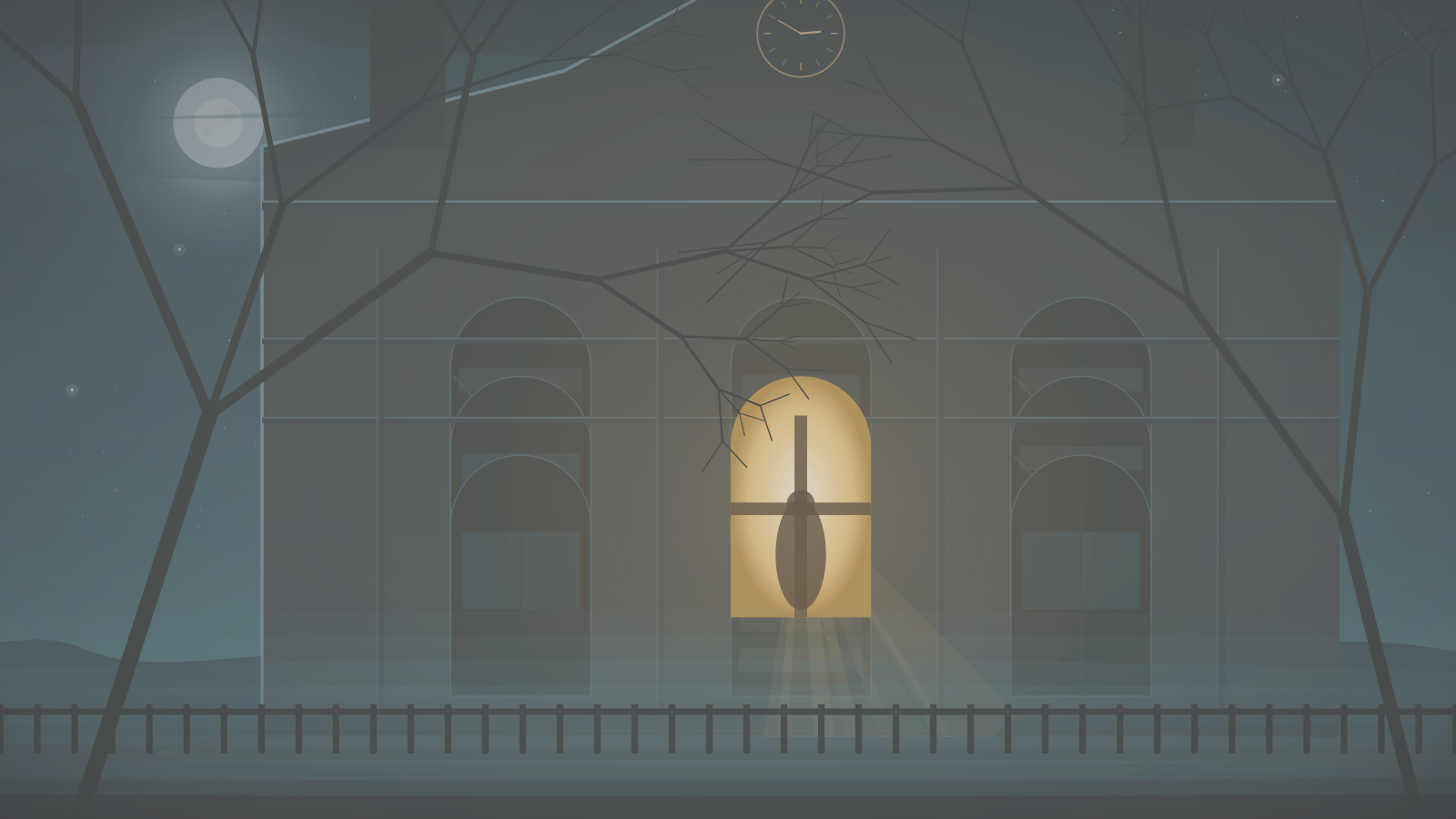
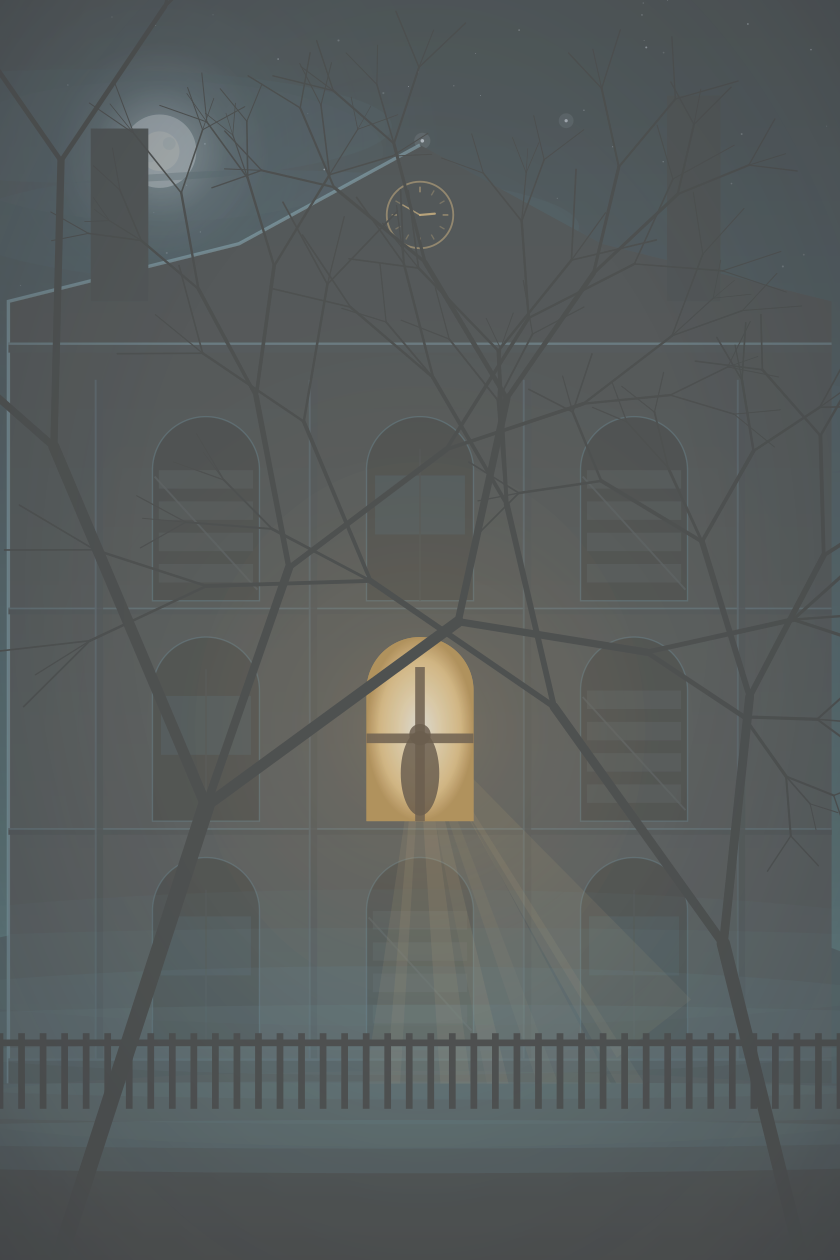
The house has been waiting for someone to ask the right question.
Ready to play now.
A demonstration of The Quiet Hour, played out by the computer from a fixed deal.
The Quiet Hour — playing itself
Ways to play
Alone, against the computer
Your own pace, no arranging anything. Take a move back whenever you like.
Play aloneTogether, in the same room
1–5 players. One device goes round the table, or everybody plays off the same screen.
Play in the same roomOnline, at a table
A room code, joinable from anywhere. Pause tonight and pick it up next week from your device.
Play online
About
Nine rooms, one hour, and one question in three parts: who is still in the house, which room is keeping them, and what they want. Everything the house tells you, it tells you alone — and saying it out loud costs two ticks of the hour and shuts the room that told you it. At the end the house asks its three questions and only counts the ones all of you answer the same way.
How it feels
- Unhurried dread
- Talking in the dark
- One lit window
What the design is for
A house that remembers
A room nobody has asked answers about the one thing it is about. Ask it a second time and it will also take the question you asked in the room you came from — so a worn path is an instrument, and the plan tells you where the marks are. Measured: it lets a table ask the question it actually wants 77 per cent of the time against 63 for a house that forgets.
What you find is yours
Every answer arrives on the asker’s own screen and nowhere else: not in the log, not in the record, not in anybody else’s view of the game. What the table can see is how many things you are sitting on and — because how much the house has left to say about each part is public — which of the three parts each of them is about. Everybody knows which part your sentence is about, and never which sentence.
And saying it costs the hour
A sentence on the wall is a sentence everybody has for the rest of the night. It costs two ticks rather than one, because the house is listening to you as well, and the room that told you it never answers anybody again. Nine rooms, thirteen answers’ worth of hour, and a table that says everything ends the night with half the house gone quiet.
The house never lies
Everything you are told is true of the night. There is no bluff here and nothing to distrust — the whole problem is that five people are each holding a third of a sentence, and the hour is only long enough for some of it.
Three questions, answered together
When the hour goes, the house asks who, which room, and what they want. Everybody answers at once and a question you do not all answer the same way is one the house does not count. Three out of three is the night.
The difference is measured
A table of four that says what it finds wins half its nights. The same four, on the same nights, keeping everything to themselves: fewer than one night in a hundred. And a table that never talks but has agreed a convention beforehand does no better — there is no way round the conversation.
A table for one
Not a practice mode. On your own an answer costs one tick instead of three, so the hour is fourteen questions rather than thirteen answers, and a measured solitary night comes out at the same one in two as a table of four.
No elimination, and no computer opponent
Nobody sits out, nobody is removed, and the last three questions are asked of all of you at once. There is no machine seat either: a computer cannot be talked round, and being talked round is the whole game.
- Best at
- 4
- Kind
- Mystery
- Table
- Co-operative
- Studio
- Board.game Originals
Achievements
0 of 5 earned
Said Together
Answer all three of the house’s questions in one voice, and be right.
Before the Hour
Win a night with ticks still left on the clock.
The House Went Quiet
Win a night in which five rooms or more stopped answering.
Everything Out Loud
Win a night having said every single thing the house told you.
A Table for One
Win a night on your own.
Key art
Key art — Board.game art system
More like this
 Board.game Original
Co-operative descent
Hollowreach
Everything worth having is further down than you want to go.
1–4 players20–30 minCo-operative
Playable
Horror, in one sitting
Knock Twice
Everything this game does happens on the other side of a door.
3–6 players45–60 minCo-operative
Playable Board.game Original
Social deduction under the ice
Nine Below
Nine of you came down. The station only has power for eight.
5–8 players20–35 minHidden roles
Playable Board.game Original
An occult trick-taking game
The Fourteenth Card
Thirteen arcana are documented. Players keep finding a fourteenth.
2–4 players20–30 minCompetitive
Playable Classics
Classic · two players
Reversi
Nothing is taken. Everything changes sides.
2 players15–25 minCompetitive
Playable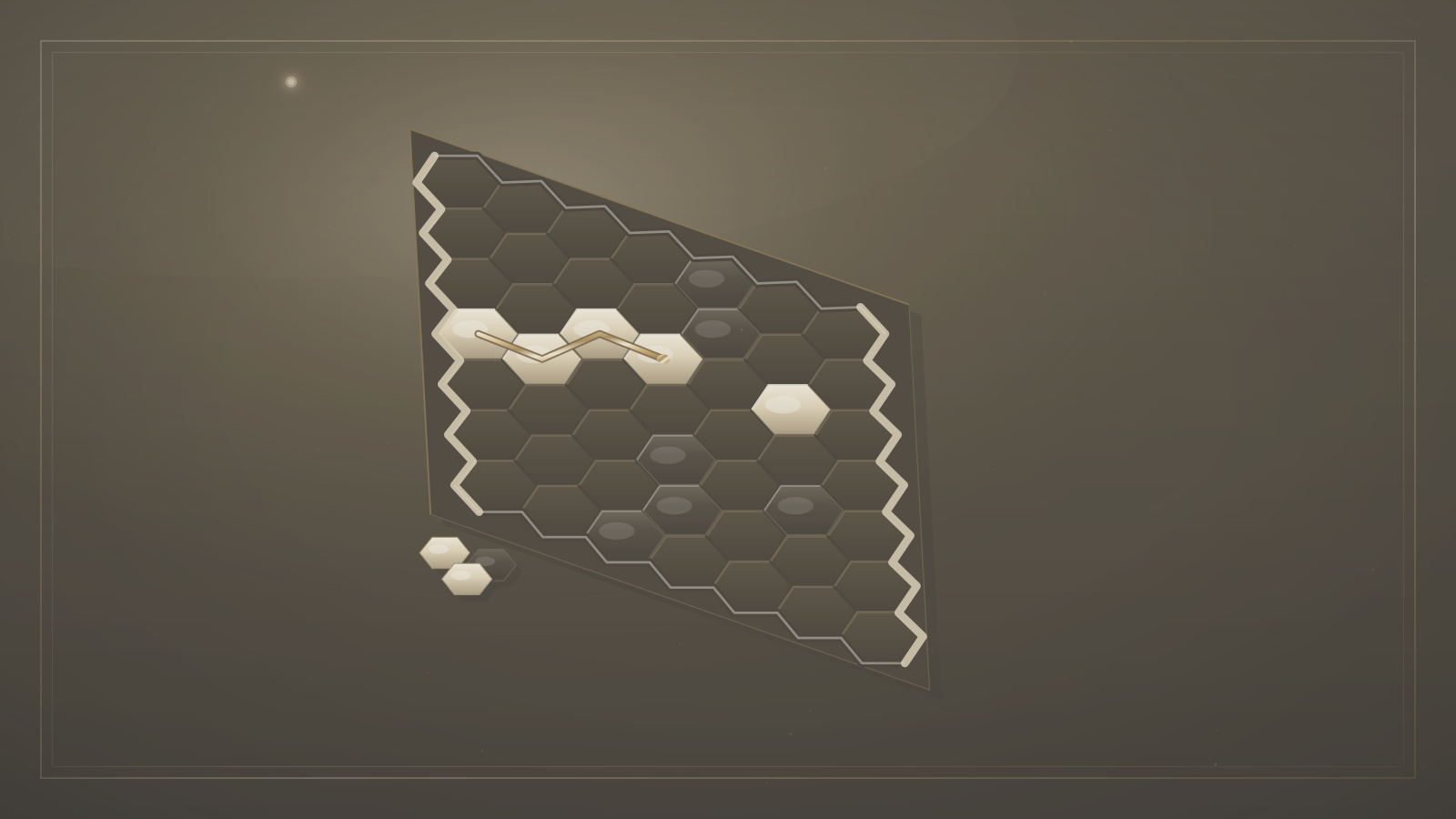 Classics
Classic · two players
Hex
Join your two sides. That is the entire rulebook.
2 players10–30 minCompetitive
Playable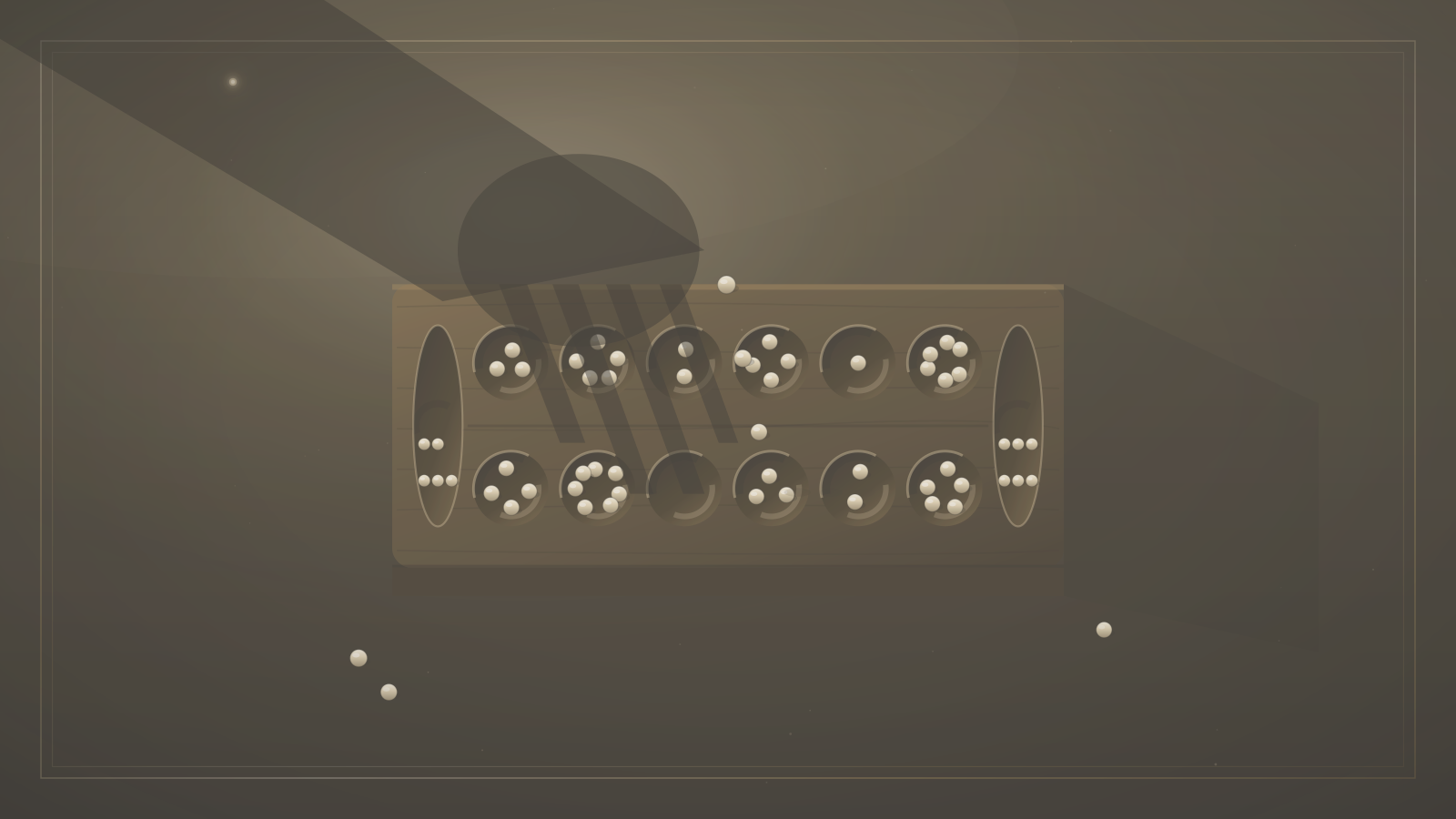 Classics
Classic · two players
Oware
Forty-eight seeds, and none of them are yours.
2 players10–25 minCompetitive
Playable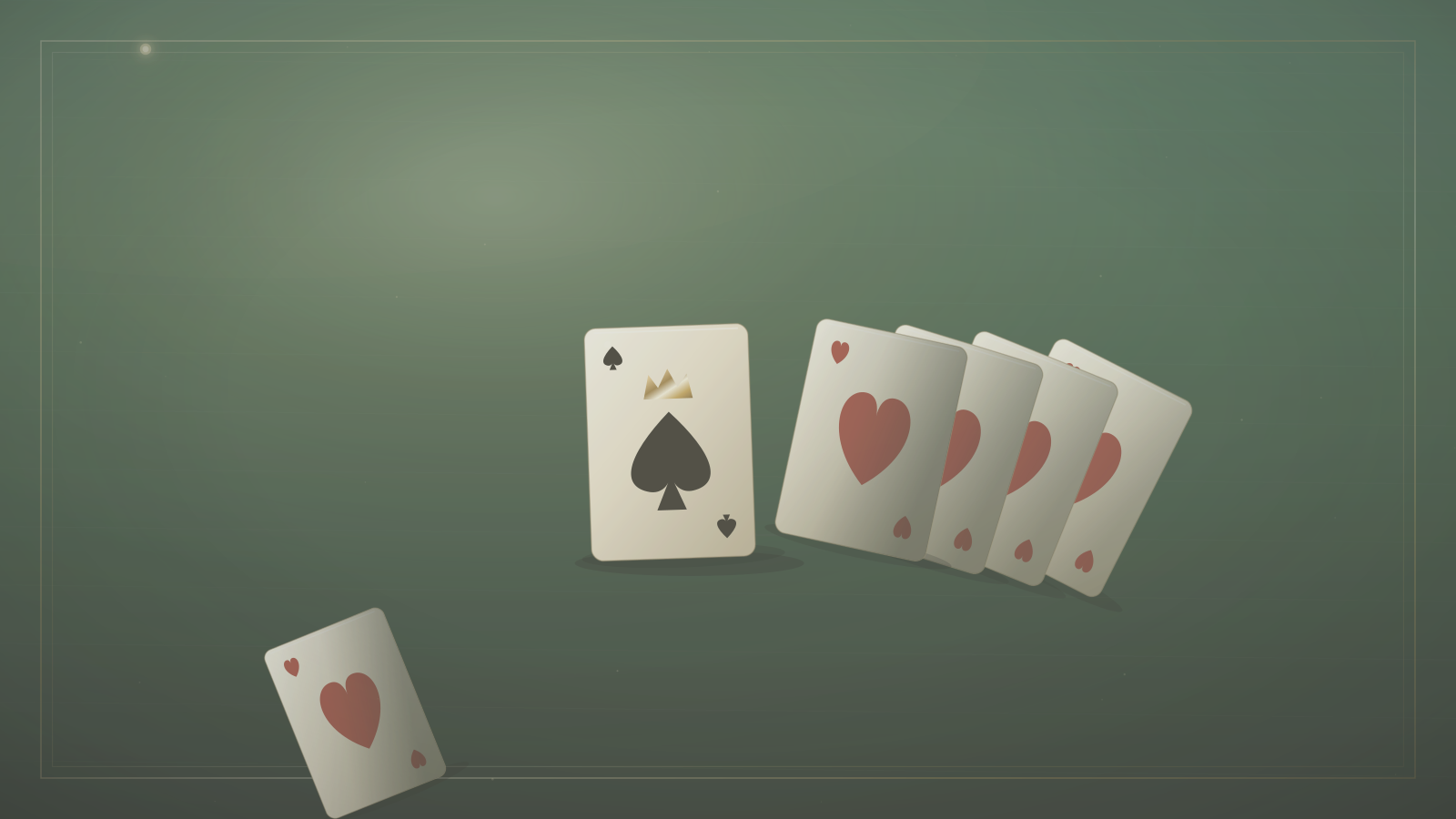 Classics
Classic · four players
Hearts
The only game where you spend the evening trying not to win.
4 players15–35 minCompetitive
Playable