Vespers
Original · a trick-taking duel for two
The rank one, played off-suit, rings the vesper — and steals the trick whole.
Ready to play now.
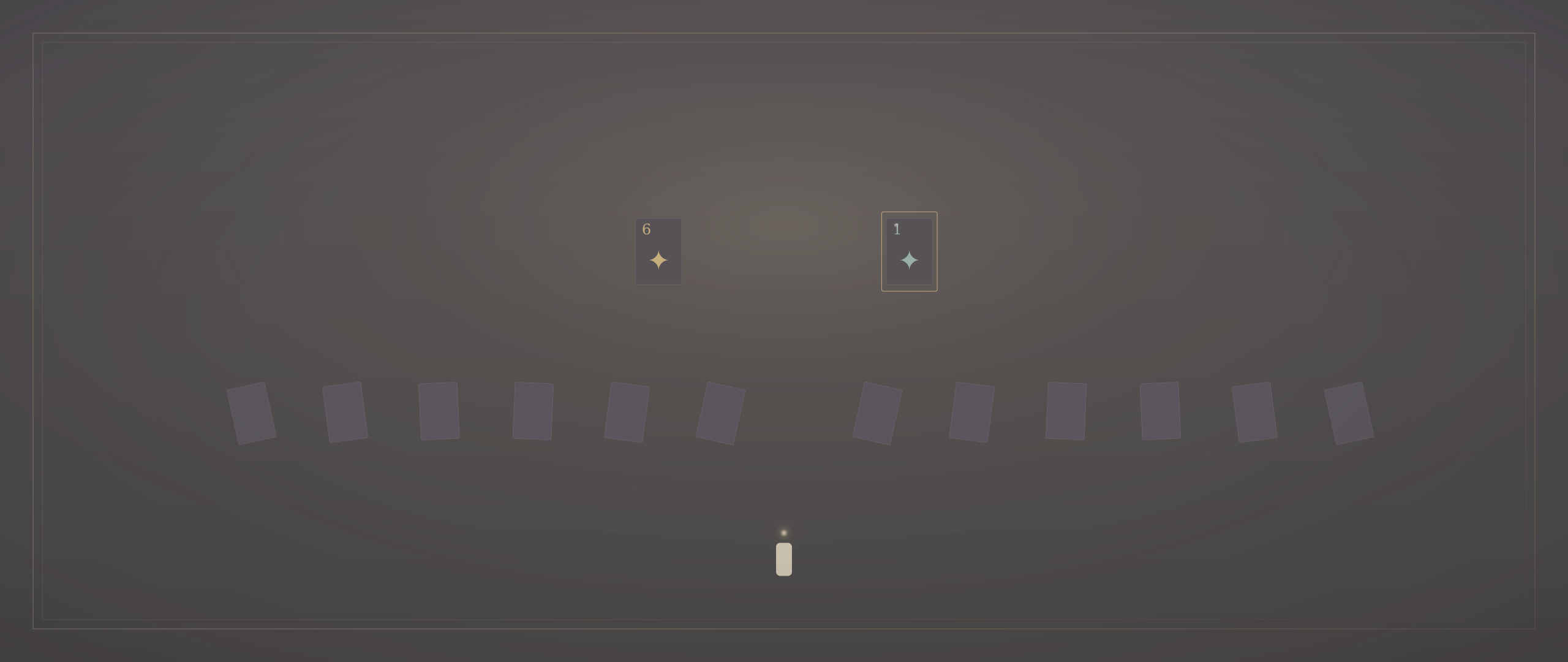
A demonstration of Vespers, played by the computer against itself.
Vespers — playing itself
Ways to play
Alone, against the computer
Your own pace, no arranging anything. Take a move back whenever you like.
Play alone3 opponents, weakest first
- The WandererAny legal play, by the seed. Majors of 3.0 a service against the Cantor and 155 services won in twelve hundred — the evening is not kind to playing at random.
- The TakerWins the trick whenever it can, with the cheapest card that wins — and it asks the rule what winning means, so it rings a vesper without knowing the word. 944-215 over the Wanderer, the widest step here. Plain greedy tricks feed the majors surprisingly well, which is the finding this ladder was rebuilt around.
- The CantorDoes not want tricks, it wants SUITS: it plays the card that leaves the best projected majority once the trick has resolved, which means letting a trick go when taking it would fill a suit the rival already owns. 633-515 over the Taker across twelve hundred services — a real step, and a narrow one, which is why it took twelve hundred services to say so — with 7.0 majors a service against the Taker’s 6.7 and 263 services of twelve hundred above twelve. Nothing built above it has beaten it; `src/games/vespers/ai.ts` records the rung that was tried, what it measured and at what sample.
Together, in the same room
2 players. One device goes round the table, or everybody plays off the same screen.
Play in the same roomOnline, at a table
A room code, joinable from anywhere. Pause tonight and pick it up next week from your device.
Play online
About
Twenty-four cards in four suits of six ranks; ten dealt to each hand and four laid aside in an offertory nobody sees. Lead anything and follow suit if you can; the highest card of the suit led takes the trick — unless a rank ONE played off-suit rings the vesper and steals it whole, and then the lowest card on the table owns the highest. Ten tricks, the winner leads next, and at the last bell every suit your captures out-number theirs scores you its count — tied suits score nothing. The tricks are the vehicle; the suits are the treasure.
How it feels
- A one saved for the right bell
- A suit quietly going 4–1 your way
- The last trick deciding nothing
What the design is for
The vesper
The rank ONE of any suit, played off-suit, rings and steals the trick whole — the lowest card on the table takes the highest. Only the ANSWERING card can ring, because the led card is what sets the suit and so is never off-suit; a one led is just a low card, and a one on suit is just a low card too. Four ones in the deck, four thefts waiting.
The majors are the score
Tricks are only the vehicle: at the last bell, every suit your capture pile out-numbers theirs scores you its COUNT, and a tied suit scores nothing. Ten tricks is nineteen points of suits at most — a shut-out in one suit can be worth more than five tricks.
Follow suit when you can
The oldest law in trick-taking, and the one that makes the vesper possible: you cannot follow a suit you have run out of, and the moment you cannot, the bell is in your hand. Voiding yourself on purpose is a plan; being voided on is a liability.
The offertory
Four of the twenty-four cards never enter play — laid aside, unseen, before the first lead. Every suit count in your head is counting against a deck with four cards missing, and the projection test keeps the view honest: your hand reaches you alone.
Taught bell by bell
Six steps: the lead, the follow, the vesper, the majors, the dump — and then the whole evening service to yourself.
- Best at
- 2
- Kind
- Cards
- Table
- Competitive
- Studio
- Board.game Originals
The opponents
The Wanderer
Any legal play, by the seed. Majors of 3.0 a service against the Cantor and 155 services won in twelve hundred — the evening is not kind to playing at random.
The Taker
Wins the trick whenever it can, with the cheapest card that wins — and it asks the rule what winning means, so it rings a vesper without knowing the word. 944-215 over the Wanderer, the widest step here. Plain greedy tricks feed the majors surprisingly well, which is the finding this ladder was rebuilt around.
The Cantor
Does not want tricks, it wants SUITS: it plays the card that leaves the best projected majority once the trick has resolved, which means letting a trick go when taking it would fill a suit the rival already owns. 633-515 over the Taker across twelve hundred services — a real step, and a narrow one, which is why it took twelve hundred services to say so — with 7.0 majors a service against the Taker’s 6.7 and 263 services of twelve hundred above twelve. Nothing built above it has beaten it; `src/games/vespers/ai.ts` records the rung that was tried, what it measured and at what sample.
Achievements
0 of 4 earned
The Evening Closes
Win a service of Vespers.
Three Bells
Win holding three of the four suit majors.
The Full Peal
Win holding all four suit majors.
By a Card
Win by exactly one point of majors.
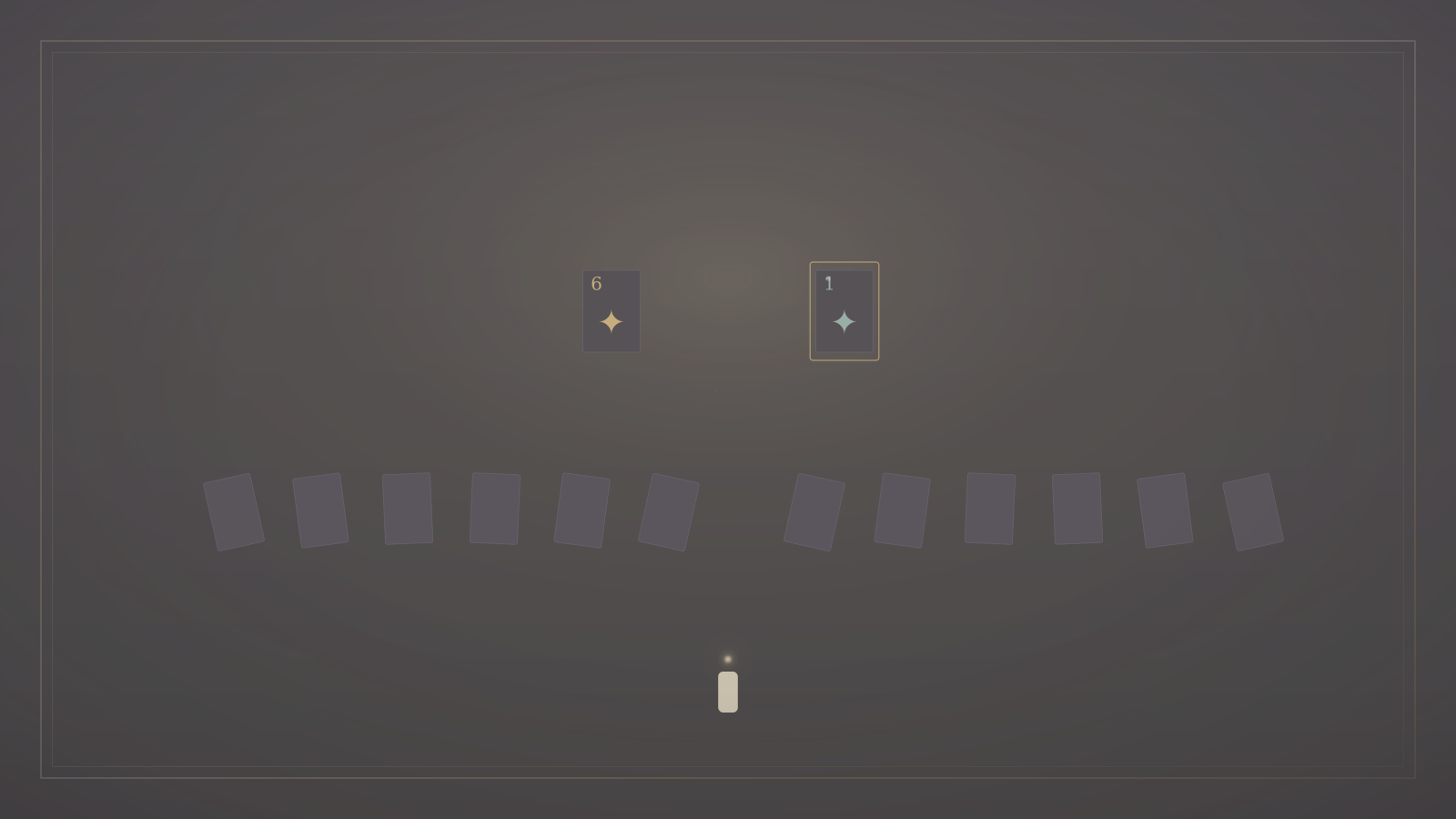
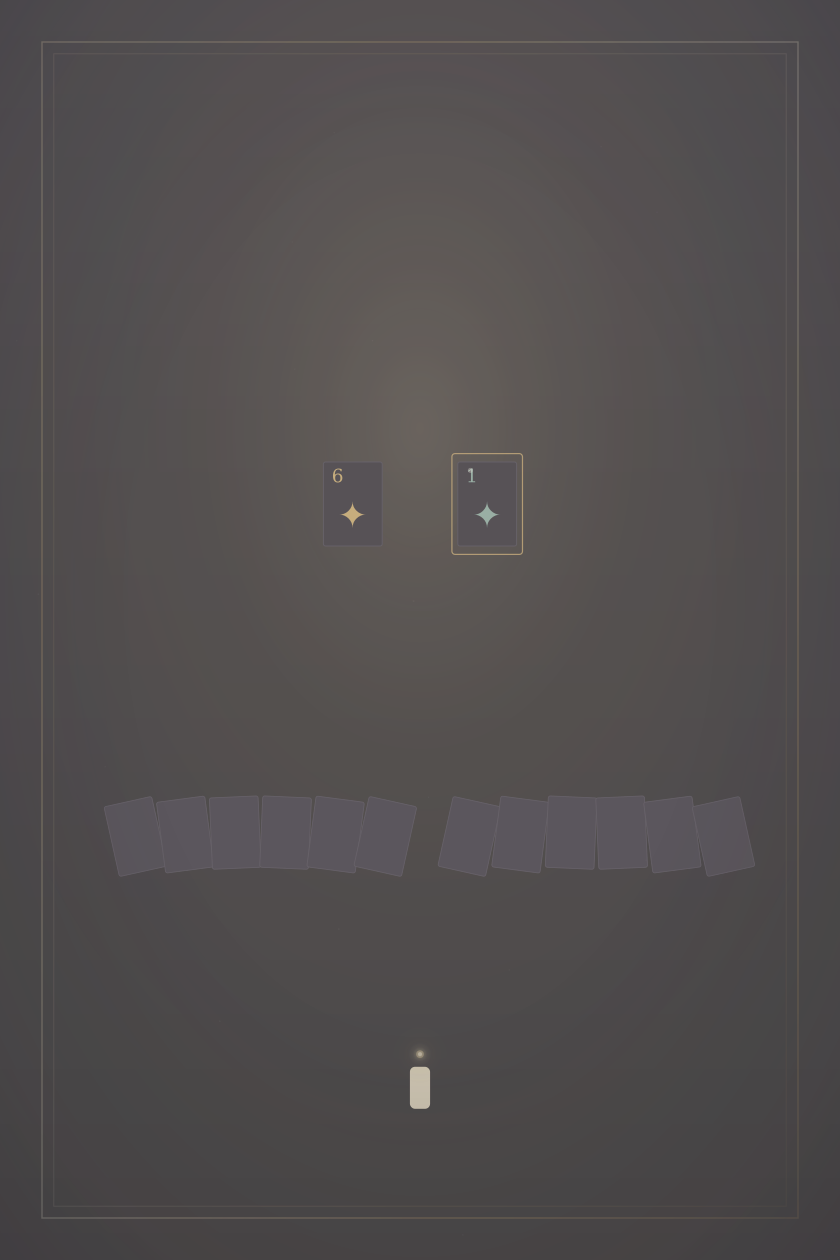
Key art
Key art — Board.game art system
More like this
 Board.game Original
Original · a climbing card duel for two
Rung
Match the size, raise the value, or pass — and the first empty hand wins the ladder.
2 players3–6 minCompetitive
Playable Board.game Original
Original · trick-taking with a sealed bid, for three
Jackdaw
Bid what you will take. Take exactly what you bid.
3 players10–20 minCompetitive
Playable Board.game Original
Original · a climbing duel for two
Moonrise
The lead is not dealt. It is bought, at the top of the ladder.
2 players10–20 minCompetitive
Playable Board.game Original
An occult trick-taking game
The Fourteenth Card
Thirteen arcana are documented. Players keep finding a fourteenth.
2–4 players20–30 minCompetitive
Playable Board.game Original
Original · push your luck for two
Kindling
Eight frosts in the deck, and every one of them is yours if you push.
2 players5–15 minCompetitive
Playable Board.game Original
Original · a pay-to-pass auction for two
Levy
Every pass costs a coin, every take costs a demand, and runs of demands count once.
2 players10–15 minCompetitive
Playable Board.game Original
Original · a divide-and-choose duel for two
Crumb
I split, you choose — and a matched pair split in two is worth nothing extra to either baker.
2 players2 minCompetitive
Playable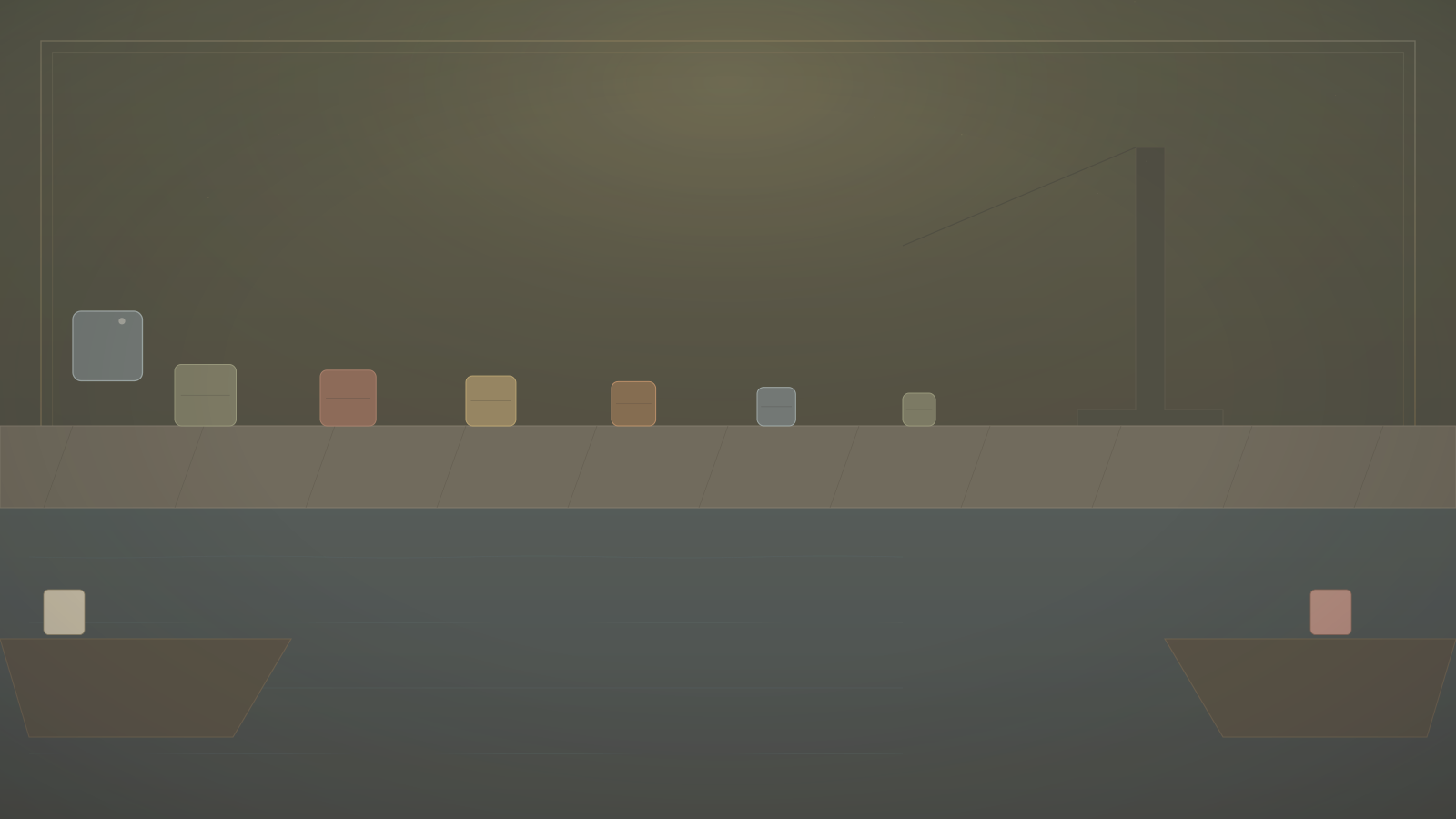 Board.game Original
Original · a loading duel for two
Quay
One line of crates, both ends open to both ships — and a cargo pays its worth times the margin.
2 players5–10 minCompetitive
Playable